Water Damage Restoration James Island, SC
Heavy rain at high tide, a split pipe or a backed up drain can leave a home soaked before anyone is ready. The restoration team removes the water, dries the structure and keeps the records an insurer needs.
(888) 532-8921Call for help with wet floorsTell the crew what is wet, where it began and whether power is on. First steps follow from that.
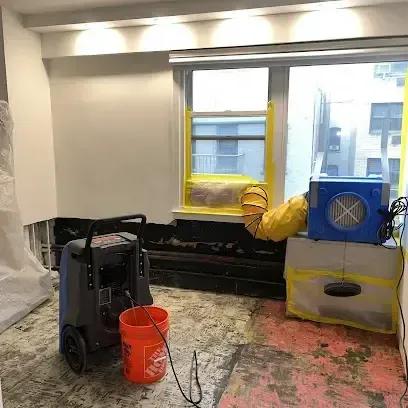
Water damage services for local homes
Each service below starts with stopping the source, then moves to drying whatever the water reached. Choose the card closest to what happened, or call and describe it.
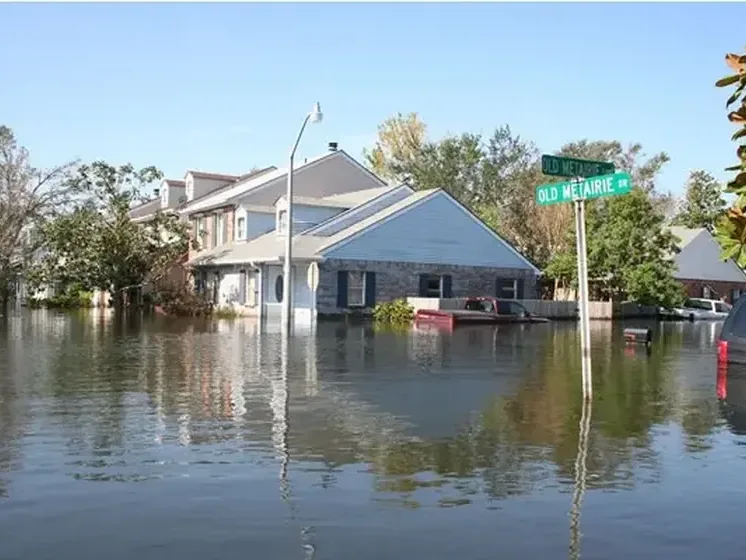
Storm and Flash Flood Cleanup
Rain and rising tidal water in yards, garages and living areas, cleaned out, disinfected and dried.
Explore storm and flash flood cleanup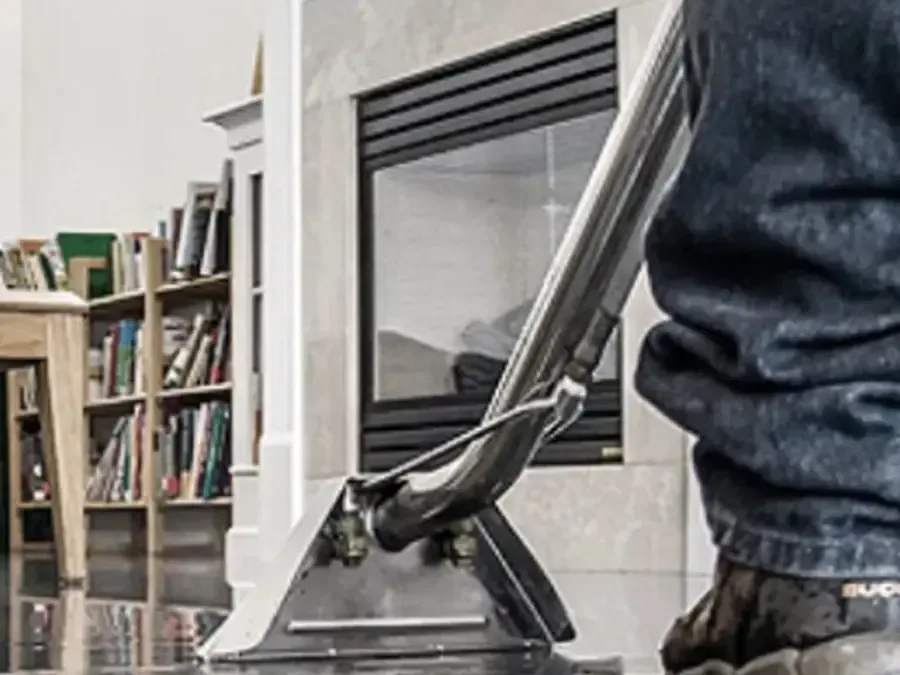
Water Extraction and Removal
Pumps and wands pull standing water off floors before it reaches the subfloor and the wall bases.
Explore water extraction and removal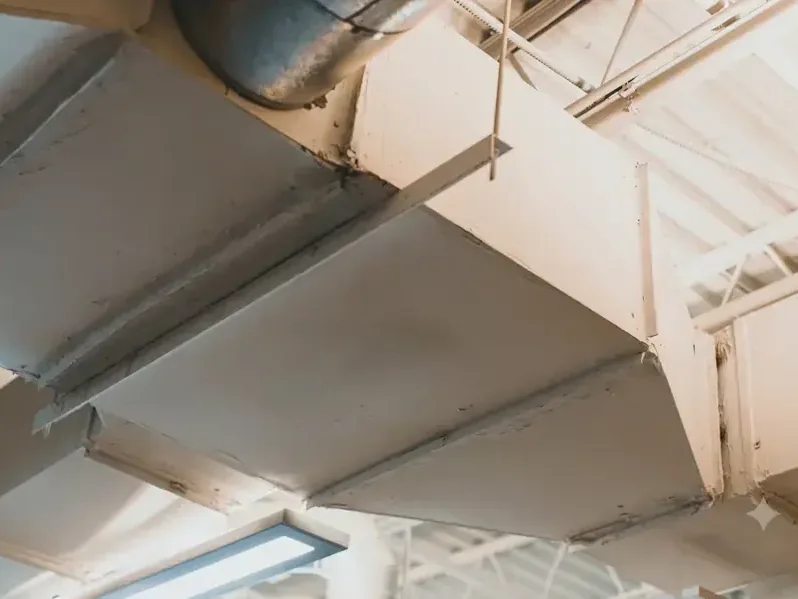
AC Condensate and Drain Line Leaks
A clogged drain or full pan drips into ceilings, insulation and floors until the unit is drained and dried.
Explore ac condensate and drain line leaks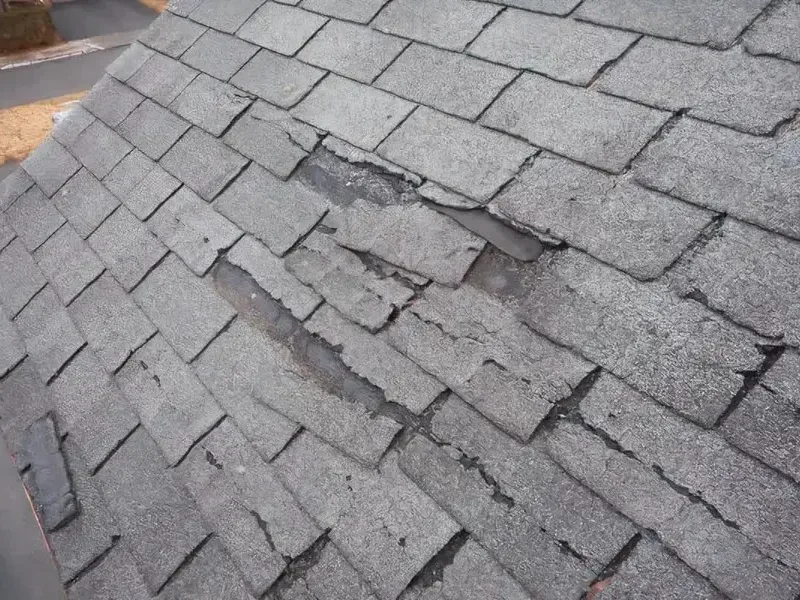
Roof Leak Water Damage
Wind driven rain through shingles or flashing wets the attic, insulation and ceilings below.
Explore roof leak water damage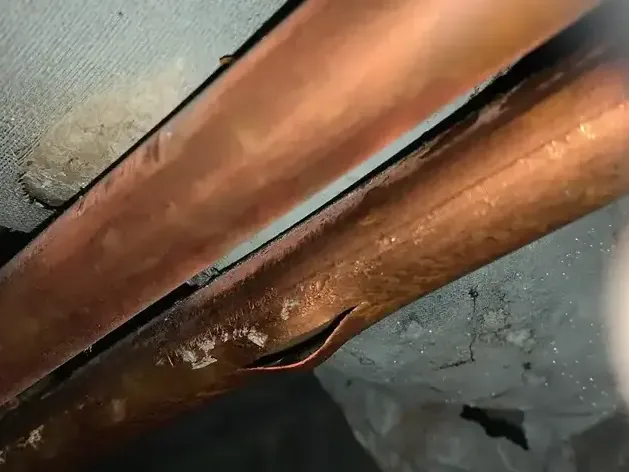
Burst Pipe Water Damage
A split supply pipe floods fast. The crew finds the wet walls and floors and dries them out.
Explore burst pipe water damage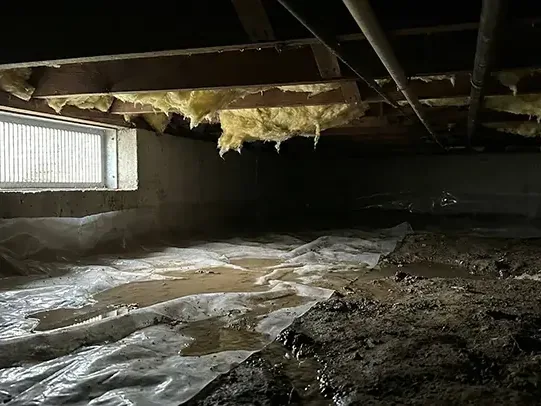
Crawl Space Water Removal
Runoff and standing water under the house is pumped out, then the subfloor and vapor barrier are dried.
Explore crawl space water removalSix more water problems the crews dry out
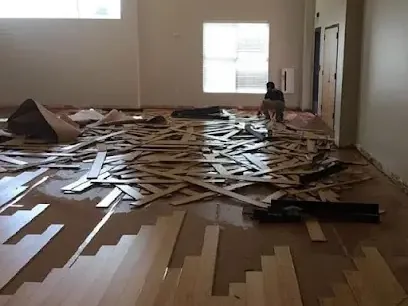 Slab Leak Water DamageA hidden leak in a concrete floor soaks flooring and wall bottoms until the area is found and dried.View
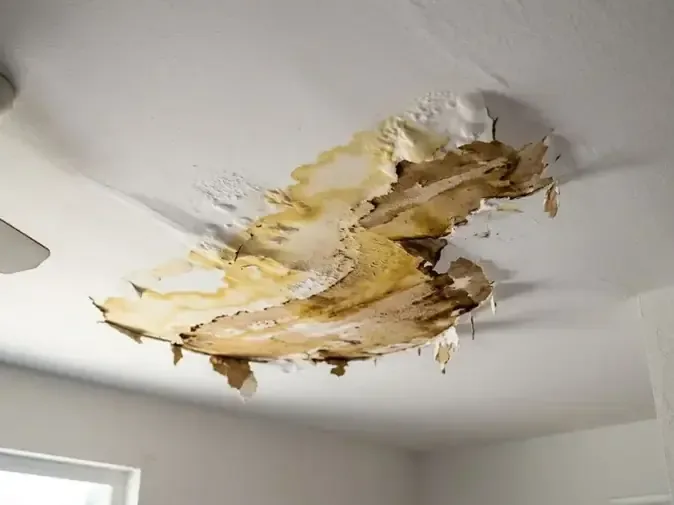 Ceiling Leak Water DamageStained drywall and wet insulation overhead are opened, dried and checked once the drip has stopped.View
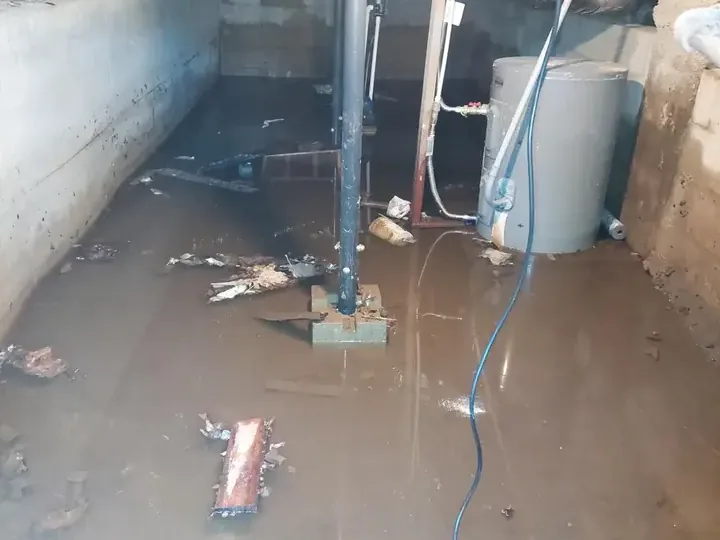 Water Heater Leak CleanupA leaking tank soaks floors and walls. The crew pulls the water out and dries what it touched.View
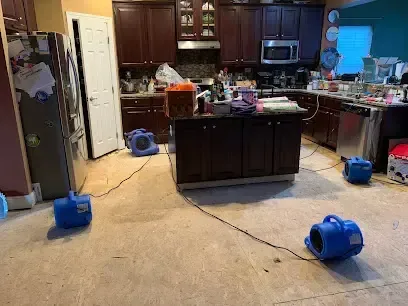 Appliance and Supply Line LeaksFailed washer, dishwasher and fridge hoses wet cabinets and flooring, and the crew dries both.View
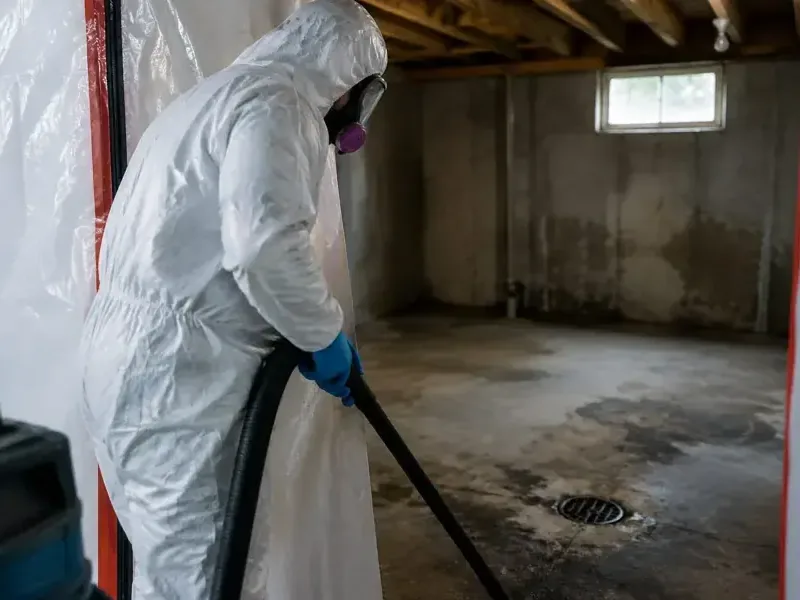 Sewage Backup CleanupA backed up drain or septic tank brings contaminated water inside, and trained crews clean and sanitize it.View
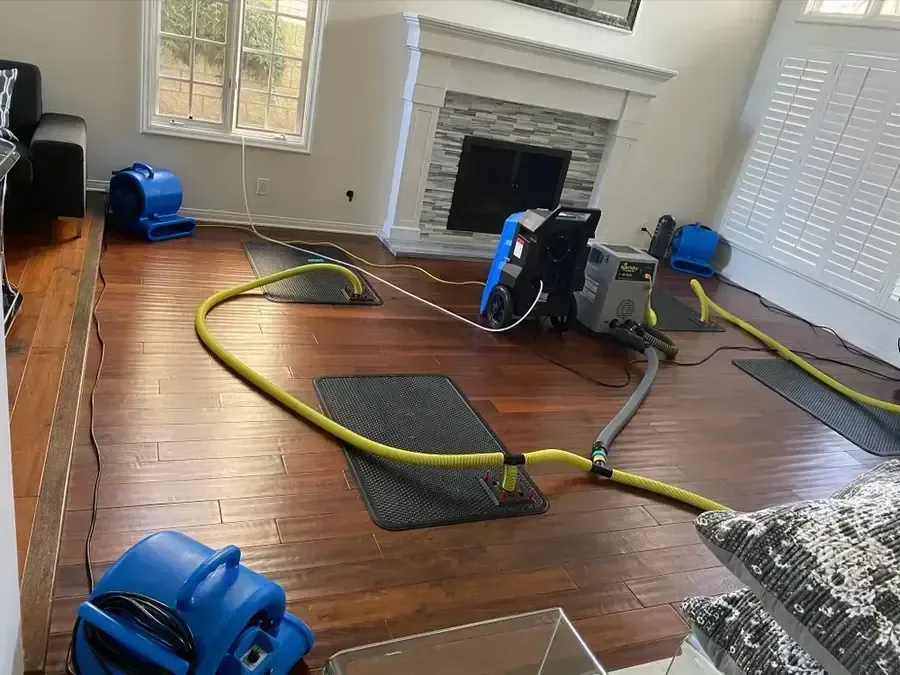 Structural Drying and DehumidificationMeters, air movers and dehumidifiers dry framing and floors until readings match a dry reference.View
What puts local homes at risk
The island is set among salt marsh, Charleston Harbor and the Stono and Folly Rivers, and the mayor has said water collects when it rains hard at high tide.
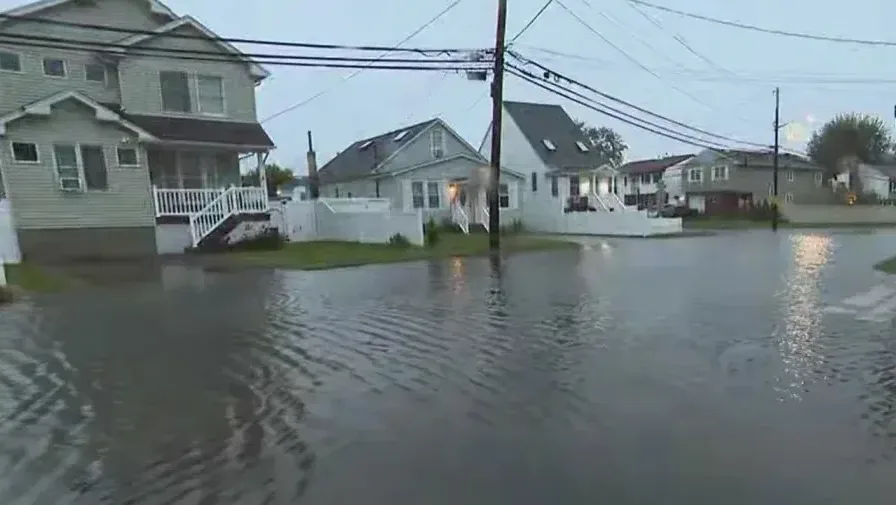
December 2019 Lynwood residents reported up to 2 feet of water in back yards and the street after about 10 inches of rain.
Rain at high tide
The mayor has said that when it rains hard at high tide the water collects, and the Town wants ditches kept clean so it drains away quickly.
Ditches and drainage
The county's Hollings Road project adds a drainage box culvert meant to divert stormwater from smaller ditches along Fleming Road that have been known to flood regularly.
Sewer force mains
An April 2026 EPA release says force mains of the James Island Public Service District and Charleston Water System are at risk of rupture, threatening a raw sewage spill.
Wipes and blockages
Charleston Water System says wipes cause sewer blockages, equipment failures and overflows. Keeping them out of toilets protects both the utility's pipes and the drains inside a house.
Wind and storm roofs
Hurricane Hugo, a Category 4 storm in September 1989, had an eye that stretched from James Island to Awendaw. In March 2021 the Town joined a National Weather Service call ahead of damaging winds, hail and isolated tornadoes.
What to do while the water is still moving
Stay safe first
Stay out of standing water near outlets. Cut the power at a dry panel if you can reach it safely.
Stop the source
Close the shutoff valve or the appliance supply if the water comes from a pipe, tank or hose.
Photograph the damage
Take wide and close photos of wet walls, floors and belongings before anything is moved, and note when the water started.
Call for help
Describe what happened and where the water is. The restoration team plans extraction and drying from that.
Lift what you can
Move small furniture, rugs and papers to a dry room, and leave heavy or soaked items for the crew.
Where local water damage usually starts
Pipes and plumbing
A split pipe or a slow drip inside a wall can wet a whole room. The extraction crew removes the water and dries the cavity.
See burst pipe damageAppliances and fixtures
Washers, dishwashers and ice makers can fail without warning. Water spreads under cabinets and flooring before anyone sees it, so the wet material is dried in place.
See appliance leak damageDrains and sewers
A blocked drain or a septic tank problem pushes dirty water into the house. That is a sanitizing job, not a mop and bucket one.
See sewage backup cleanupStreets and neighborhoods the crew serves
ZIP code
Not sure the address is covered?
The crew serves homes in the Town of James Island, which covers the central and southern parts of the island but never all of it.
Parts of the island sit inside the City of Charleston, so describe the street when calling and the crew will confirm coverage.
(888) 532-8921Check my address with the crewMain corridors and neighborhoods
Nearby areas
What drying work looks like on site
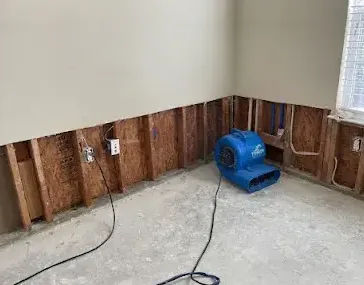
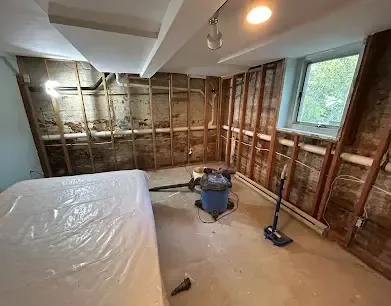
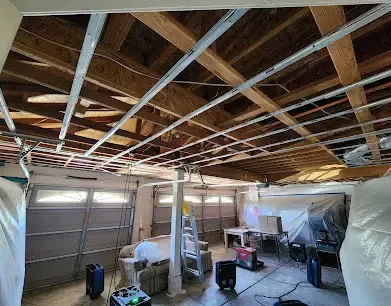
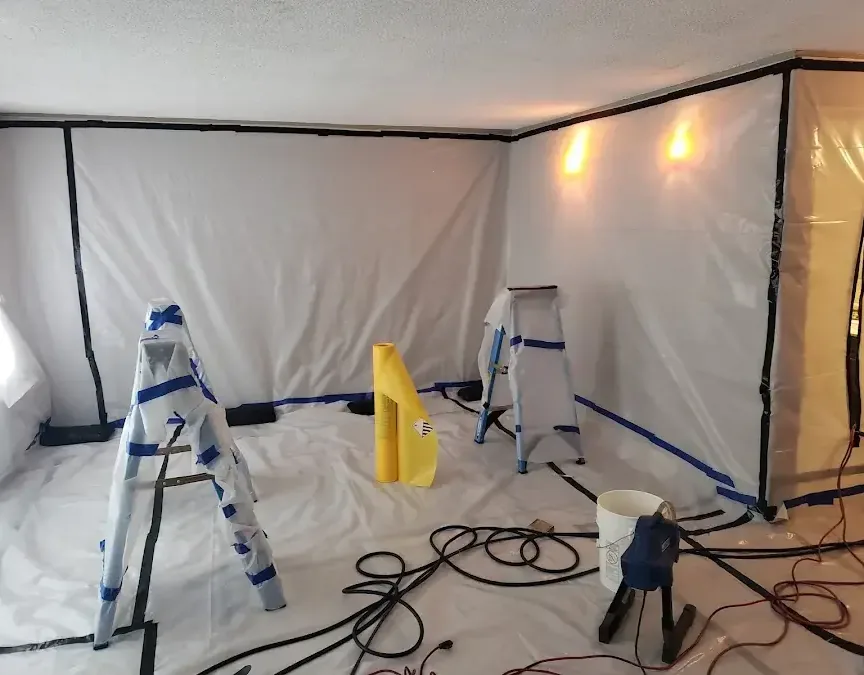
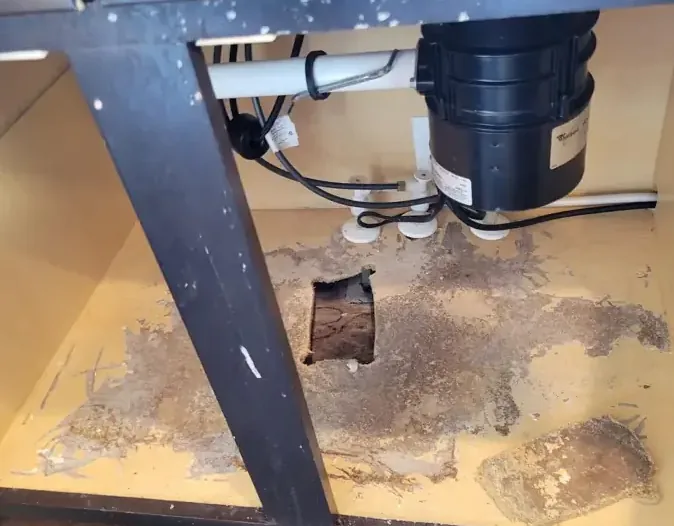
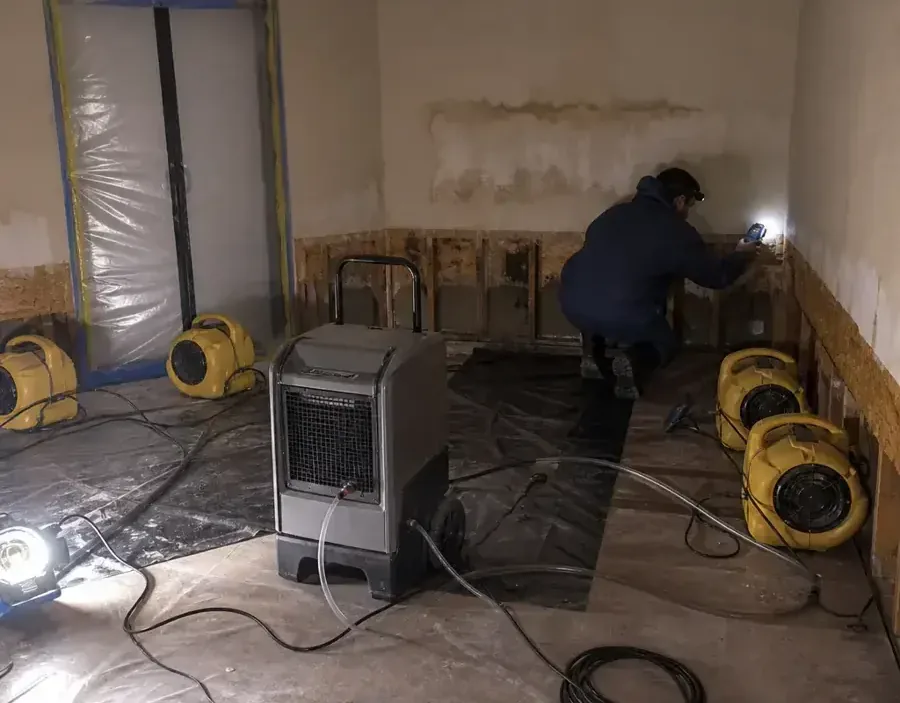
Drying that follows the readings, not a clock
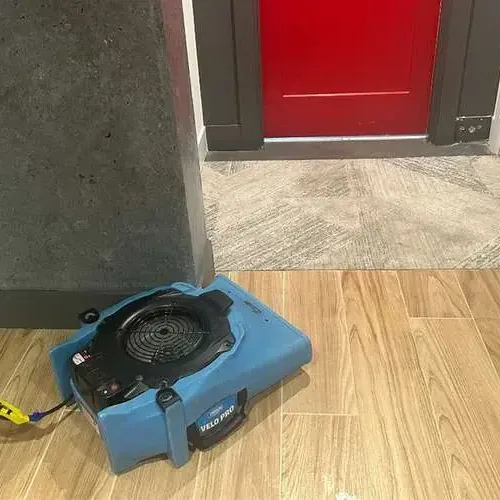
The mitigation team measures what is wet before setting up equipment, then rechecks those spots until they read dry. Nothing is torn out that can be saved.
Moisture mapping first
Meters and a thermal camera find wet material behind walls and under floors, so drying targets what is actually wet.
Equipment sized to the room
Air movers and dehumidifiers are matched to the space, so the drying crew is not running more machines than the job needs.
Records for the insurer
Photos, moisture readings and daily notes are kept so the claim file has the detail an adjuster expects.
Clear plain answers
The crew explains what is wet, what can be saved and what the next visit will check, in everyday words.
A drying plan built on measurements
Every job follows one order: remove the water, open what is trapped, dry it with controlled airflow and prove the result with readings. The order holds for one room or a whole floor.
- Find the source The response team confirms the leak or flood is stopped, then maps which walls, floors and ceilings are wet with meters.
- Remove the water Pumps, wands and wet vacuums take standing water off the floor, and soaked padding or loose materials come out.
- Dry the structure Air movers and dehumidifiers run on the wet areas while the drying team opens wall bases and checks cavities.
- Confirm it is dry Moisture readings are compared with a dry reference, and the equipment stays until the numbers match, then the final readings go into the job file.
What water damage restoration costs here
Most jobs fall between a few hundred dollars and several thousand, depending on how much water there was, how long it sat and how many rooms it reached. The crew gives a firm figure after seeing the damage.
One wet room
- Water extracted from the floor
- Air movers and a dehumidifier
- Moisture readings until dry
Two or three rooms
- Flood cuts where walls are wet
- Extraction and structural drying
- Daily moisture readings
Whole floor or storm flood
- Contents moved and sorted
- Cleanup of contaminated water
- Long drying and repair notes
Ranges are typical and shift with the water category, the materials and how easy the area is to reach. Try the water damage cost calculator for a first idea. A written estimate follows the crew's measurements.
Getting ready for the claim
Homeowners policies treat sudden leaks differently from slow ones or from flood. The restoration team documents the loss the same way for any of them and leaves the coverage decision to the insurer.
- Wide and close photos of each wet room before items move
- The date and time the water was first noticed
- A short note on the suspected source
- Moisture readings and drying logs from the crew
- Receipts for anything repaired, replaced or discarded
What the homeowner can do
Stop the source if it is safe, move valuables out of the wet area and keep damaged materials until the adjuster has seen them.
Call the insurer early, share the photos and ask what the policy says about water, sewage and flood. The crew can explain its readings, but the policy wording belongs to the insurer.
Common water damage questions
Still have a question?
Describe the damage on a call and the restoration team will explain what drying involves, what it usually costs and what happens first.
(888) 532-8921 Ask the drying crew nowHow fast does water damage spread after a leak?
Water moves into drywall, insulation and subfloors quickly, and wet materials can start to grow mold in a day or two. Extraction and drying should begin as soon as the source is stopped.
Why does heavy rain at high tide matter?
The mayor has said water collects when it rains hard at high tide, and the Town wants ditches kept clean so it drains quickly. Low yards and garages are the first places to check.
Should I turn the power off during a flood?
Stay out of standing water that reaches outlets, cords or appliances. If the panel is dry and reachable, switch the power off there, or call the utility or an electrician when it is not safe.
Does homeowners insurance cover storm flooding?
Standard policies usually separate sudden leaks from flood, and flood is often a different policy. The Town points residents to Charleston County FEMA flood zone maps and the Office of Floodplain Management for flood questions.
What is the difference between clean water and sewage?
Clean supply water from a pipe or tank is the simplest to dry. Sewage and floodwater carry contamination, so porous materials are usually removed and surfaces are cleaned and sanitized before drying starts.
Can wet carpet or drywall be saved?
It depends on the water source and how long it sat. Clean water caught early often lets drywall and flooring dry in place, while contaminated or long wet material is usually cut out.
What should I do about a sewage backup?
Keep people and pets out, do not run sinks or toilets, and call the crew. Backups can involve a utility pipe or a septic tank, so the cause is checked before sewage backup cleanup starts.
How long does drying take?
Most structures take several days, and the equipment stays until moisture readings match a dry reference. Thick floors, hardwood and wall cavities take longer than carpet in one room.
How much does restoration cost?
One room often falls in the $500 to $2,500 range, and larger or contaminated jobs rise from there. The crew prices from the water category, the materials and the area affected.
Who fixes a water main break or a sewer problem?
Charleston Water System shut off water in part of the Town during a main break on Dills Bluff Road. A utility repairs its own pipes, while the crew handles cleanup inside the house.
Do not let wet floors sit another night
The crew can start by phone, with a few questions about the source and the rooms involved.
(888) 532-8921Call and describe the water