Water Damage Restoration Ladson, SC
Storm runoff, a split supply line or an overflowing AC drain soaks a Ladson home fast. Local restoration pros extract the water, dry the structure to the IICRC S500 standard and log every reading.
(888) 532-8921Start the extraction before it spreadsCovering ZIP 29456 and nearby towns including Goose Creek, Summerville, North Charleston and Hanahan, at any hour.

Water Damage Restoration Services in Ladson, SC
One crew can carry a job from the first pump-out to the last dry reading, with equipment matched to the category of water and the class of loss.
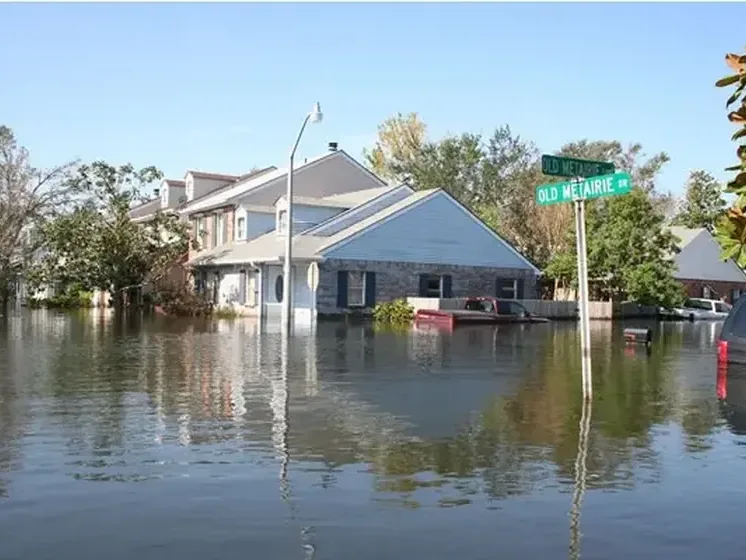
Storm and Flash Flood Cleanup
Storm runoff and canal overflow pumped out, treated as Category 3, then cleaned and dried.
Explore storm and flash flood cleanup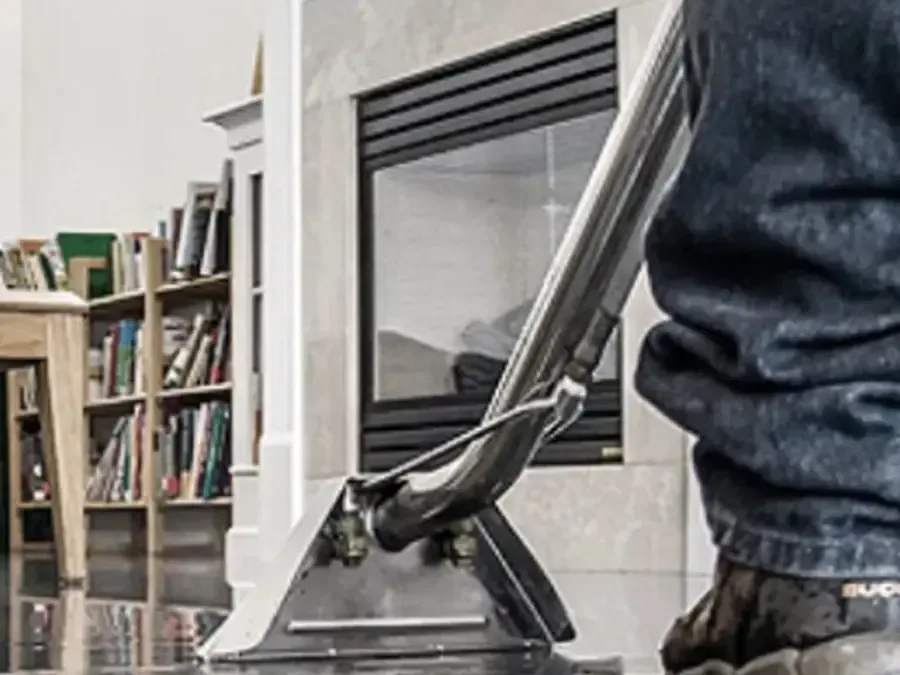
Water Extraction and Removal
Truck-mounted and portable units pull standing water fast, then moisture mapping shows what the water reached.
Explore water extraction and removal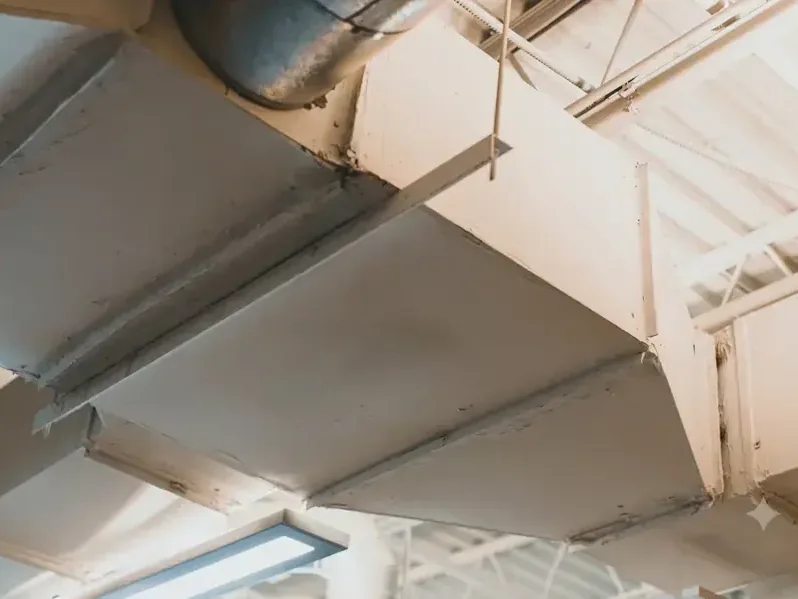
AC Condensate and Drain Line Leaks
Overflowing attic drain pans traced, wet ceiling drywall and insulation opened, and the joist bays dried.
Explore ac condensate and drain line leaks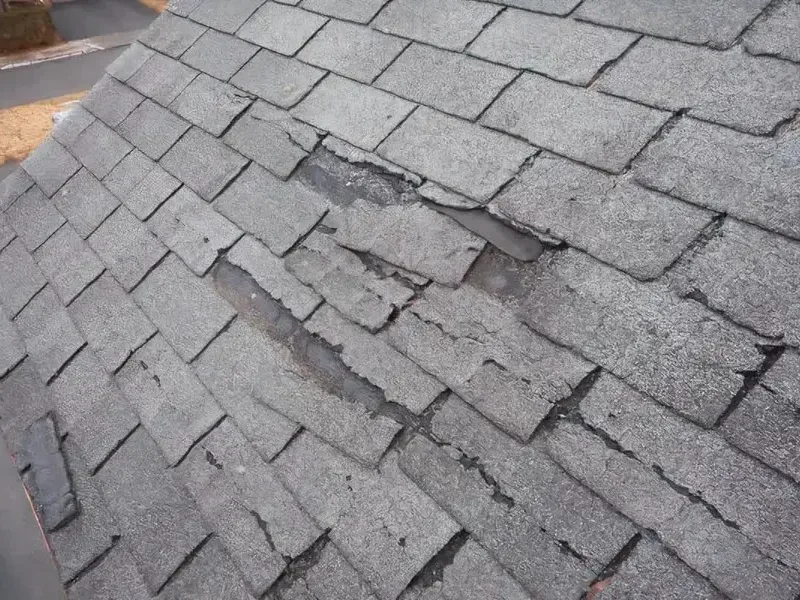
Roof Leak Water Damage
Wind-driven rain through shingles and flashing dried out of attics, insulation and the ceilings below.
Explore roof leak water damage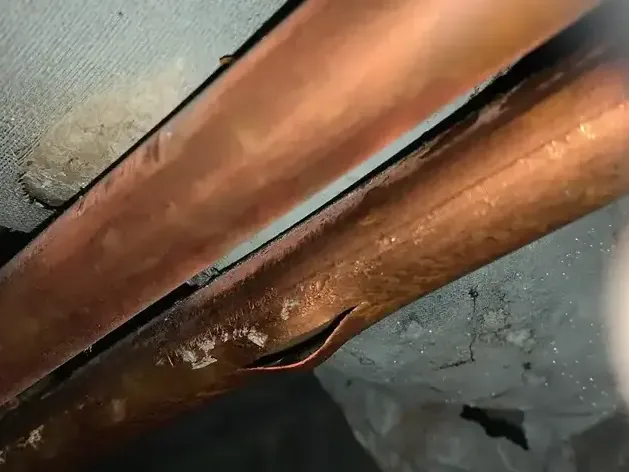
Burst Pipe Water Damage
Split supply lines in walls, attics and crawl spaces extracted, with every wet cavity dried.
Explore burst pipe water damage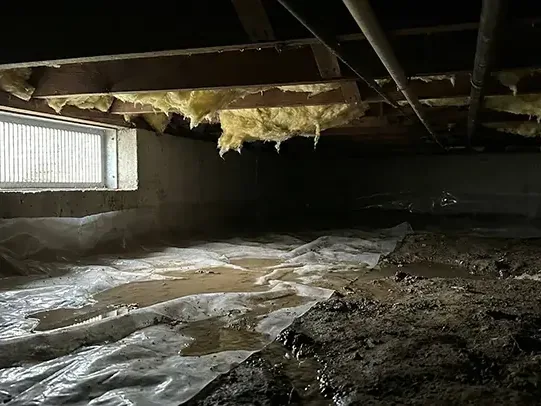
Crawl Space Water Removal
Water under raised floors pumped out, soaked insulation pulled and the joists and subfloor dried.
Explore crawl space water removalSix more water problems the crews dry out
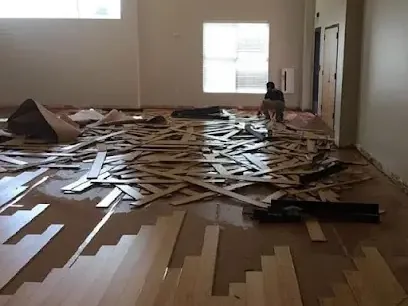 Slab Leak Water DamageHidden pressure leaks under slab homes, with flooring lifted and the concrete and wall bottoms dried.View
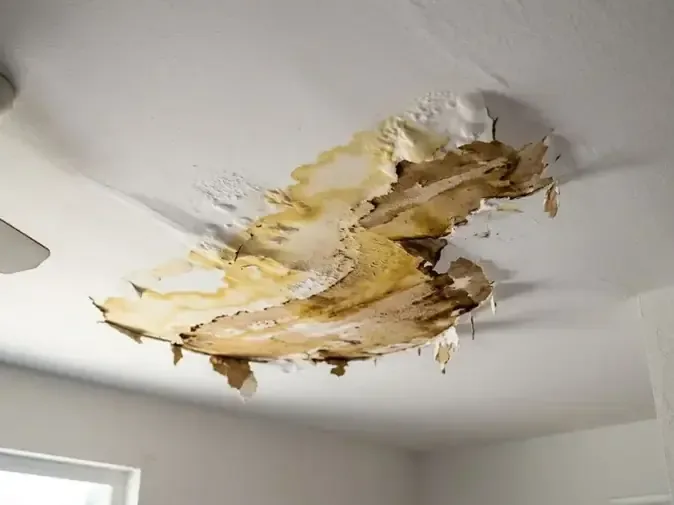 Ceiling Leak Water DamageBath, supply and attic leaks traced overhead, sagging drywall opened safely and joist bays dried.View
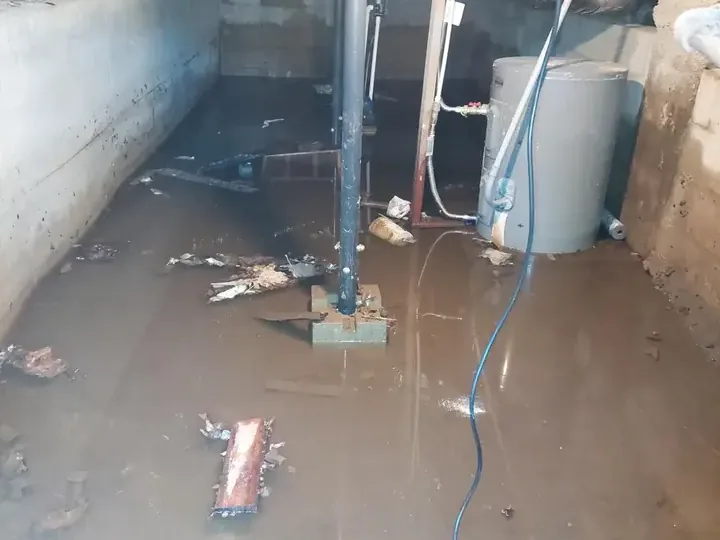 Water Heater Leak CleanupFailed tanks in garages, closets and attics extracted before floors, cabinets and stored boxes soak through.View
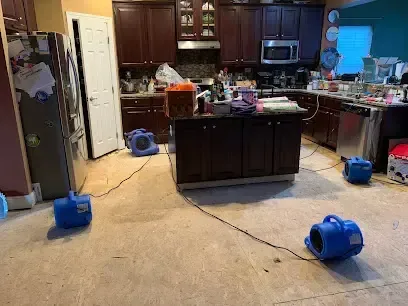 Appliance and Supply Line LeaksWasher hose, dishwasher, ice maker and toilet supply leaks dried out of floors and cabinets.View
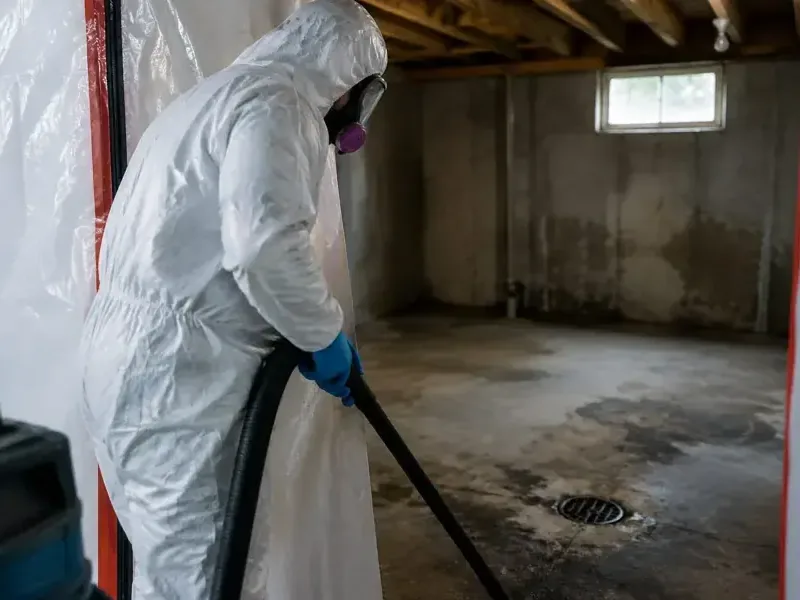 Sewage Backup CleanupToilet, tub and cleanout backups handled as Category 3, with porous materials removed and surfaces disinfected.View
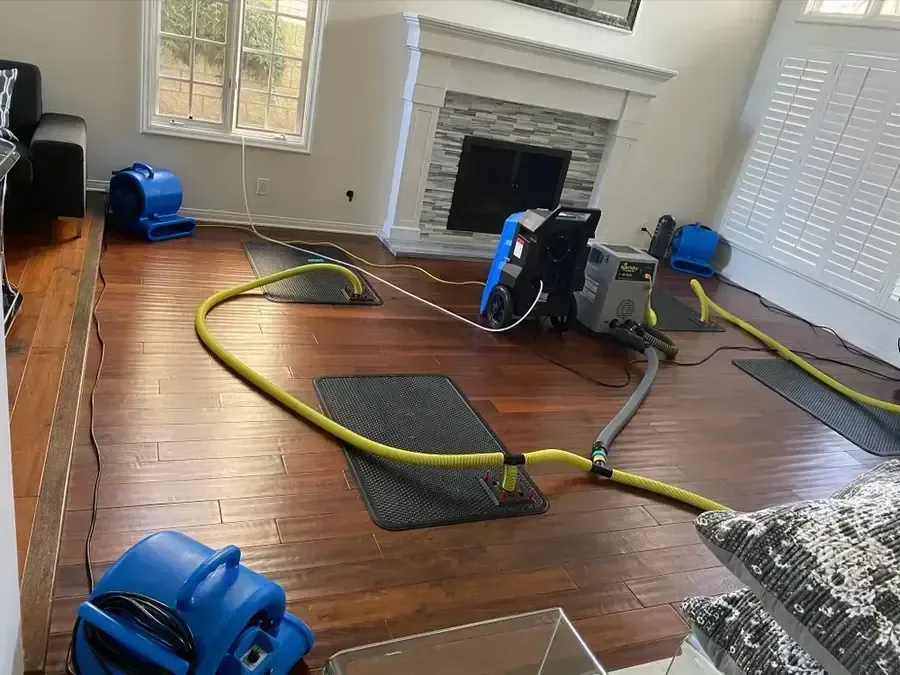 Structural Drying and DehumidificationFraming, subfloor and slab dried with LGR dehumidifiers until readings sit within 2 to 4 points of dry.View
Why water finds its way into Ladson homes
Flat land, a high water table and long humid summers shape almost every water loss here. Storm runoff, attic condensation and aging supply lines cause most of the damage crews see.
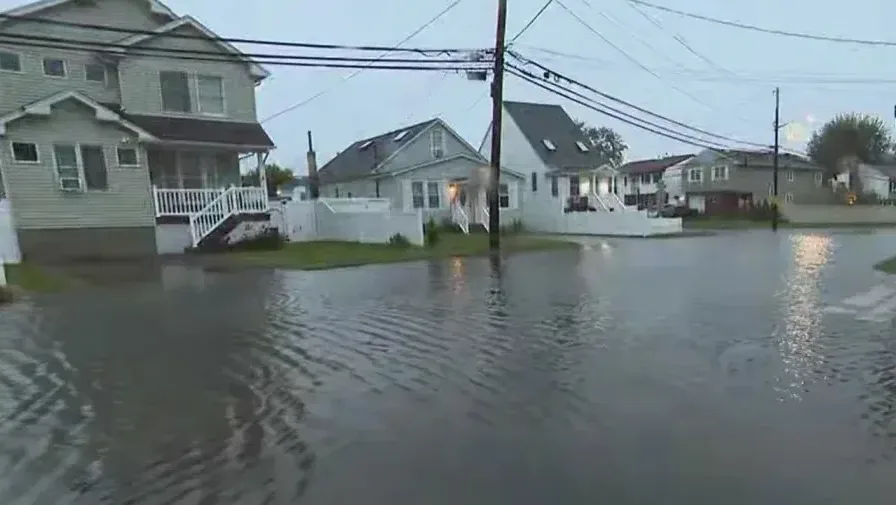
In September 2024 College Park Estates residents described the Trinity and Oxford Road bridges going under in heavy rain, and Berkeley County moved to raise both bridges.
Limehouse Branch and low ground
The canal through College Park Estates has a long record of overflowing after two to three inches of rain, and flat lots nearby send the runoff toward yards and crawl spaces.
Tropical storms and summer downpours
Hurricane season runs June through November, and slow tropical systems such as Debby in 2024 can drop days of rain that overwhelm gutters, roofs and storm drains.
Attic air handlers and drain lines
Many homes here run the air handler in the attic. Months of humid air fill the condensate pan, and a clogged drain line overflows straight into the ceiling below.
Crawl spaces and a high water table
Older ranch homes and manufactured homes often sit over crawl spaces or on piers, where pooled runoff and ground moisture soak insulation and keep subfloors damp.
Aging supply lines and rare hard freezes
Homes from the 1980s and 1990s can still carry original supply lines and tired water heaters, and an occasional hard freeze splits pipes in attics and exterior walls.
Five first steps while the response team heads over
Shut off the source
Close the main water valve or the valve at the fixture. For an AC overflow, switch the system off at the thermostat.
Cut power to wet rooms
If the breaker panel is dry and safe to reach, switch off the circuits that feed the wet rooms.
Stay out of storm water
Floodwater and sewage carry bacteria. Keep kids and pets away, and wear boots and gloves to cross it.
Photograph before moving anything
Wide shots of every wet room, the water line on the walls and the source build a clear record.
Lift what you can
Move rugs, electronics and papers off wet floors, and set foil under furniture legs so stains stay put.
Three categories of water, three different cleanups
Clean water from a supply line
Category 1 water comes from a burst pipe, a water heater or an AC line. Caught early, carpet and drywall can often be dried in place.
Drying a burst supply lineGray water from appliances
Category 2 water from a washer, dishwasher or overflowing toilet carries contaminants. The pad usually comes out and surfaces get an antimicrobial.
Drying a washer or dishwasher leakBlack water from storms and sewers
Category 3 water from storm runoff or a sewage backup is handled in PPE, and the porous materials it touched are removed.
How a sewage spill is cleanedCovering College Park, Tall Pines, Hunters Bend and beyond
ZIP code
Not sure a crew reaches your street? Call and ask.
Dispatch covers ZIP 29456 across the Berkeley, Charleston and Dorchester County sides of the community, plus the towns around it.
If water is moving right now, call first. The dispatcher confirms the address, the source and the equipment the crew should load.
(888) 532-8921Check coverage for your street by phone Find us on GoogleNeighborhoods and roads
Nearby towns
What a structural dry-out looks like, room by room
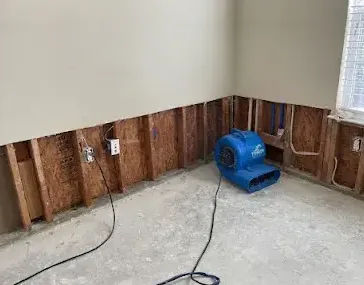
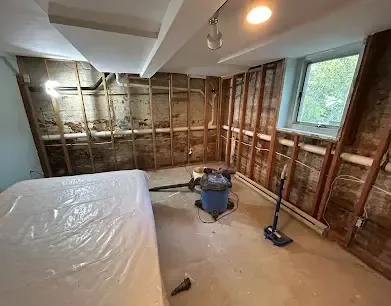
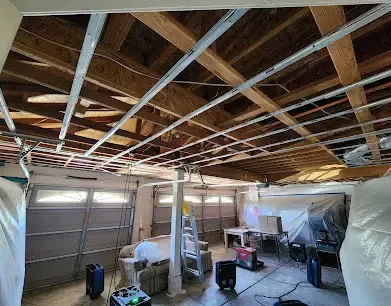
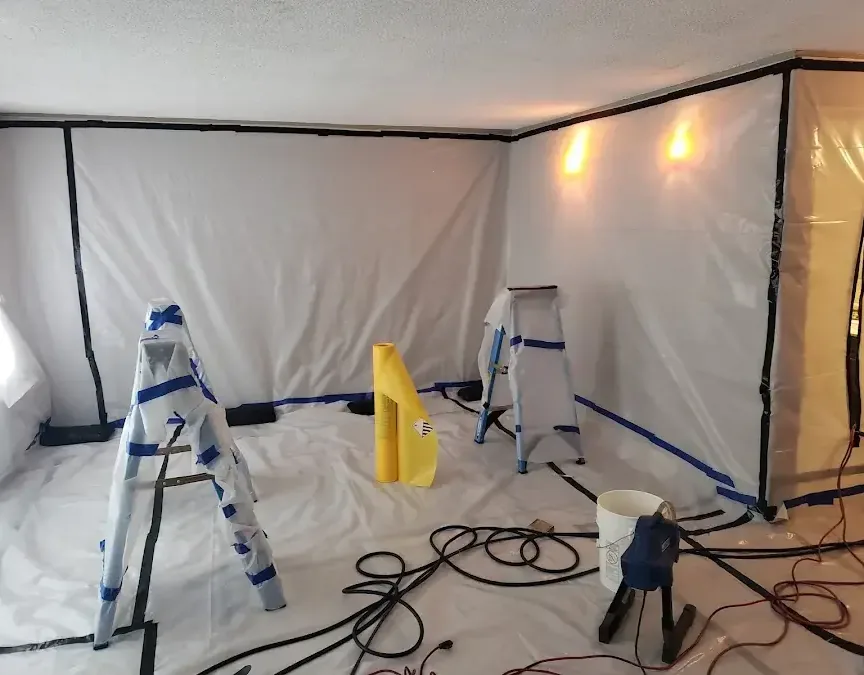
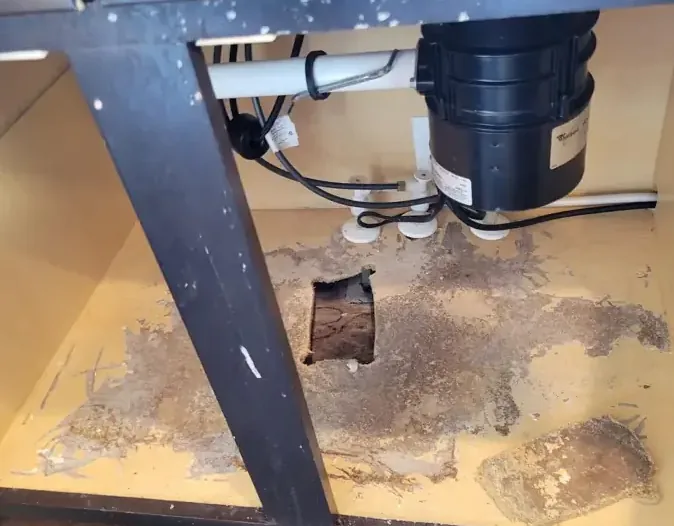
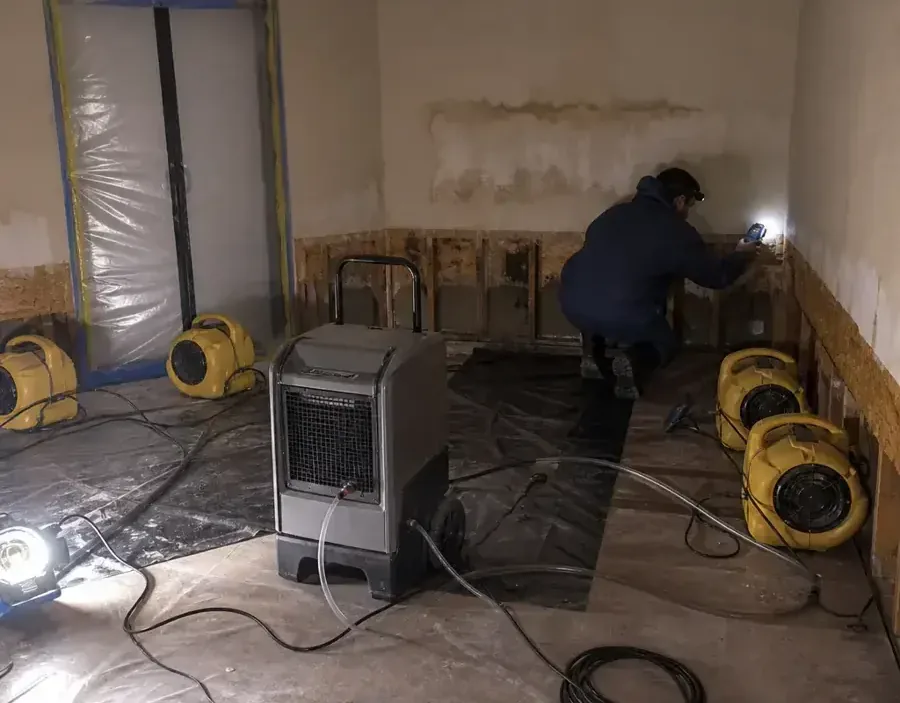
Drying held to the IICRC S500 standard, room by room
Every job starts with a moisture map and ends with readings, so the equipment leaves when the materials are dry, not when the surface looks dry.
Dispatch around the clock
Active water is treated as urgent at any hour, weekends and holidays included, because drywall and subfloor keep wicking until extraction starts.
Moisture mapped first
Thermal imaging and pin and pinless meters trace water behind baseboards, under flooring and above ceilings before equipment goes down.
Equipment sized to the loss
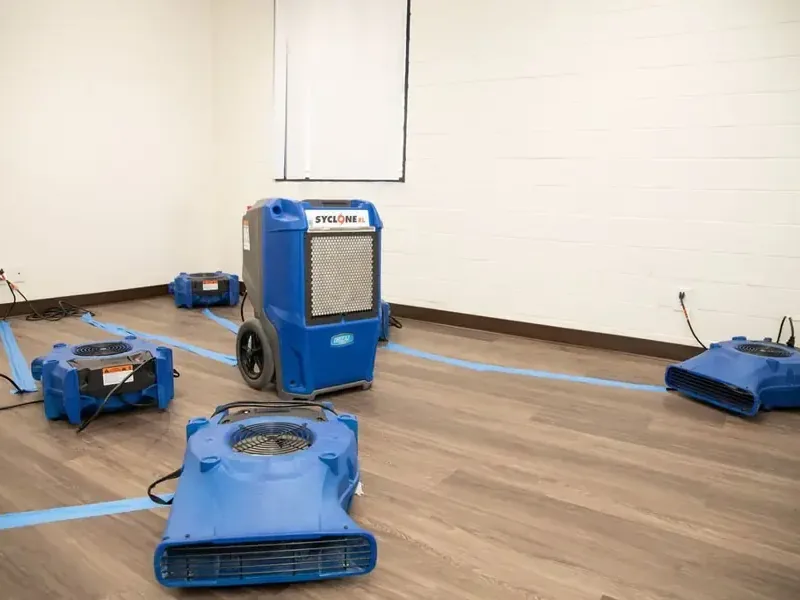
Air movers and LGR dehumidifiers are matched to the class of loss and checked every day against a dry reference in the same home.
Built for heavy air
Lowcountry summer air slows evaporation, so dehumidification and containment carry more of the load here than in drier places.
What IICRC S500 drying means inside a home
IICRC S500 is the water damage industry's reference for structural drying. It sorts each loss by category and class, sets how much equipment a room needs and defines dry by readings, not by touch.
- Inspect and map The tech traces the source, sets the category and class, and maps moisture through floors, walls and ceilings with meters and thermal imaging.
- Extract and remove Standing water comes out with truck-mounted or portable extraction, and anything that cannot be dried, such as soaked pad, is removed.
- Dry and monitor Air movers and LGR dehumidifiers run inside containment, with readings logged daily against a dry reference in the same home.
- Verify and hand off Equipment comes out once materials read within 2 to 4 points of dry, and the file goes to the household and the insurer.
What does water damage restoration cost in Ladson, SC?
Water damage restoration here typically runs $500 to $15,000 or more. The category of water, the square footage, the material class and how quickly drying started set the number, along with whether a crawl space or ceiling has to be opened.
Small clean-water leak
- One room or a closet
- Extraction and drying in place
- Category 1 supply water
Room, crawl space or ceiling
- Several rooms or the space under the floor
- Pad, insulation or drywall removed
- Gray water or a slow leak
Storm water or sewage
- Category 3 water
- Porous materials removed and disinfected
- Containment and longer drying
Ranges are typical, not a quote. A walkthrough and a moisture map set the real scope of work. For a closer number on your own loss, try the water damage cost calculator.
Paperwork an adjuster looks for
A water claim is decided on the paperwork. The restoration file gives an adjuster the facts in the order an adjuster checks them, from the first reading to the last.
- A moisture map of every wet room from day one
- Daily psychrometric logs and meter readings
- Timestamped photos taken before any demolition
- The category and class of the loss, written down
- A line-item scope of the removal and drying work
Check your own policy
Most homeowners policies treat sudden and accidental water, such as a burst pipe or a failed water heater, differently from flooding that comes in from outside.
Surface flooding usually falls under a separate flood policy, and sewer backup is often a rider. Read your own policy or ask your insurer before work starts.
Water damage questions from local homeowners
Water coming in right now?
Skip the reading for now. Shut off the source if it is safe, then call, and a crew is dispatched day or night.
(888) 532-8921 Dispatch a drying crew nowHow fast can a crew get to a home here?
Active water is treated as urgent at any hour. Dispatch sends the nearest available crew, and naming the neighborhood, the source and whether the water is still running helps the crew load the right extraction and drying gear.
What should I do while I wait for the crew?
Shut off the main valve or the fixture valve, switch off breakers to wet rooms if the panel is dry, stay out of storm water and sewage, and photograph every wet room before anything is moved.
Does homeowners insurance cover water damage?
Sudden and accidental water, such as a burst pipe or a failed water heater, is often covered. Flooding from outside usually needs a separate flood policy, and sewer backup is often a rider. Check your own policy with your insurer.
Why does my ceiling leak when the AC runs?
A clogged condensate drain line or a rusted pan under an attic air handler overflows into the ceiling below. The crew opens the wet drywall, dries the joist bays and points out the float switch for the HVAC tech to check.
How long does drying take in this humidity?
Most rooms dry in three to five days, longer for hardwood, plaster or a soaked crawl space. Humid summer air slows evaporation, so LGR dehumidifiers run inside containment until readings reach a dry reference.
What does IICRC S500 mean for my home?
IICRC S500 is the industry standard for water damage restoration. It sorts losses by category and class, sets equipment counts and defines dry as a reading within 2 to 4 points of a dry reference material.
When does wet drywall have to come out?
Drywall soaked by Category 3 water comes out. Drywall wet with clean water can often be dried in place if extraction starts quickly; if it wicked high or stayed wet for days, a flood cut is usually needed.
Why are storm water and sewage handled differently?
Floodwater that crossed the ground and sewage backups are Category 3. Crews wear PPE, remove the carpet, pad, insulation and drywall the water touched, and apply an EPA-registered antimicrobial before drying.
How is the cost of a dry-out figured?
The scope comes from the walkthrough: the category of water, the square footage, the material class, what has to be removed and how many days the equipment runs. Each item is listed line by line for the claim file.
Do crews dry crawl spaces too?
Yes. Water under a raised floor is pumped out, wet insulation and torn vapor barrier come out, and air movers and dehumidifiers run under the house until the joists and subfloor read dry.
Water in the house tonight? Get extraction and drying started now
Every hour water sits, it spreads further. Call and the response team sends a crew, day or night.
(888) 532-8921Send the extraction crew now