Water Damage Restoration Hollywood, SC
Burst pipes, storm water, leaking appliances and sewage backups are handled by one restoration team that pulls out the water, removes what cannot be saved and dries the home until readings are normal.
(888) 532-8921Reach the drying crew nowDamp drywall and subfloors can start growing mold in 24 to 48 hours, so early drying matters.
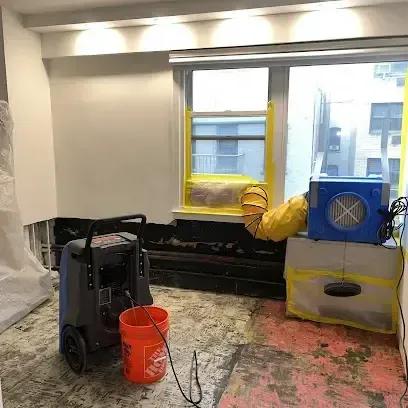
Every kind of water damage, one crew
Each service below covers a different water source, from a split supply pipe to a flooded crawl space, so homeowners can go straight to the situation that matches theirs.
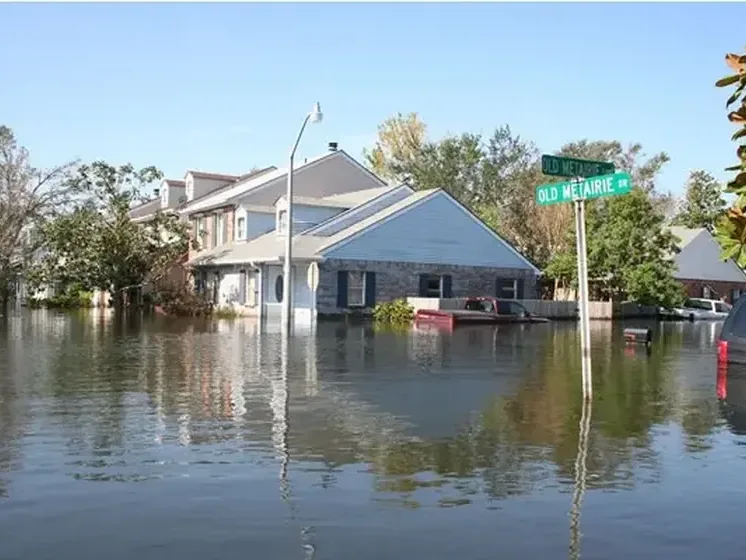
Storm and Flash Flood Cleanup
Pumping out rising water, cutting away soaked drywall and flooring, and drying the structure after heavy rain.
Explore storm and flash flood cleanup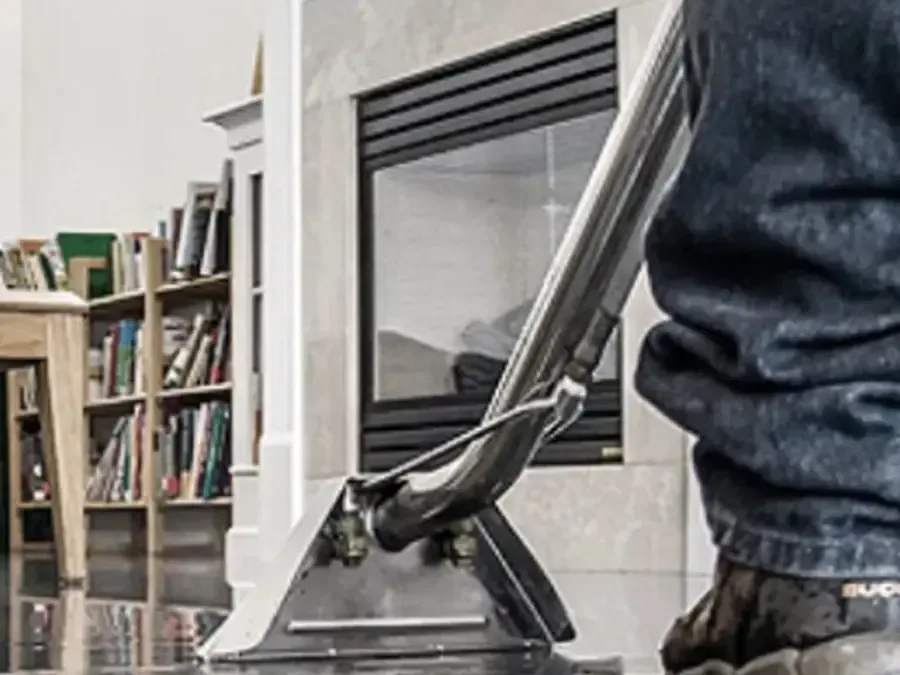
Water Extraction and Removal
Pumps and wands pull standing water off floors first, because water left sitting keeps soaking deeper into materials.
Explore water extraction and removal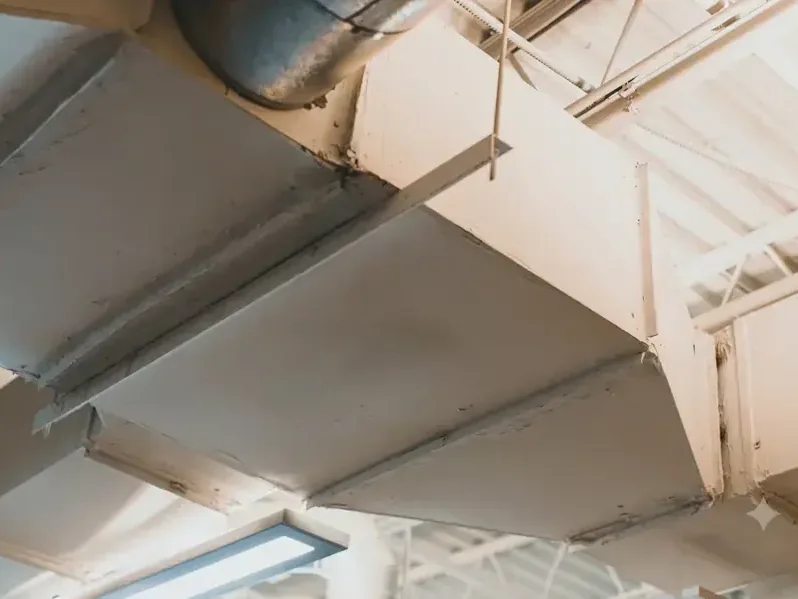
AC Condensate and Drain Line Leaks
Overflowing air handler pans and clogged drain pipes that stain ceilings and soak insulation overhead.
Explore ac condensate and drain line leaks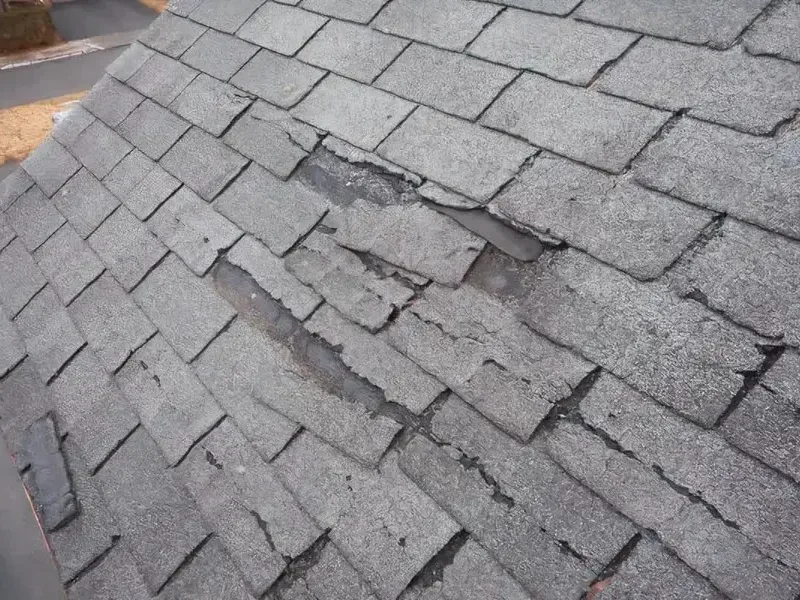
Roof Leak Water Damage
Wind-driven rain that gets past shingles and flashing, then spreads through attic insulation and ceilings below.
Explore roof leak water damage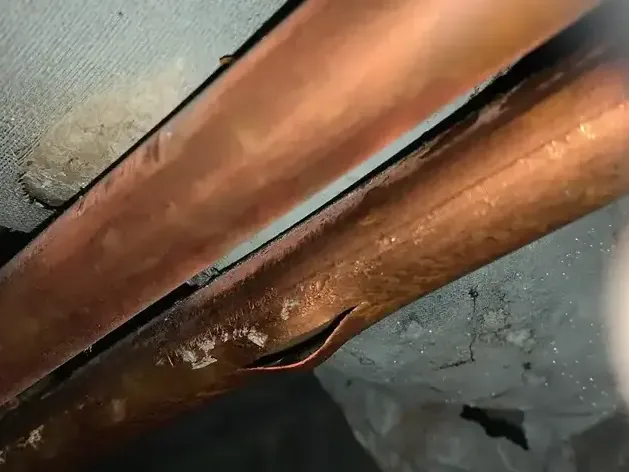
Burst Pipe Water Damage
Split or frozen supply pipes that flood rooms quickly, with drywall, flooring and cabinets dried in place.
Explore burst pipe water damage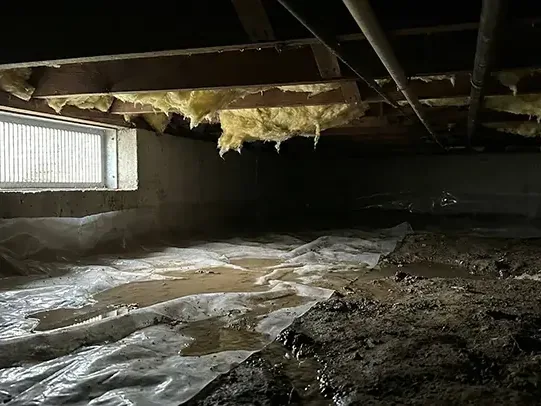
Crawl Space Water Removal
Runoff and plumbing leaks beneath a raised floor, pumped out and dried before the subfloor and insulation suffer.
Explore crawl space water removalSix more water problems the crews dry out
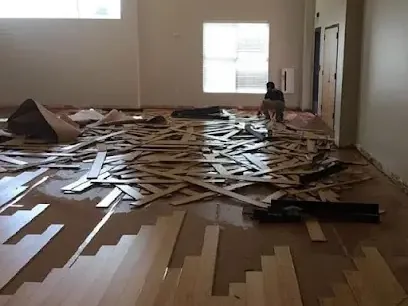 Slab Leak Water DamageHidden pipe leaks under a concrete slab, spotted by warm floor patches, damp flooring and climbing water bills.View
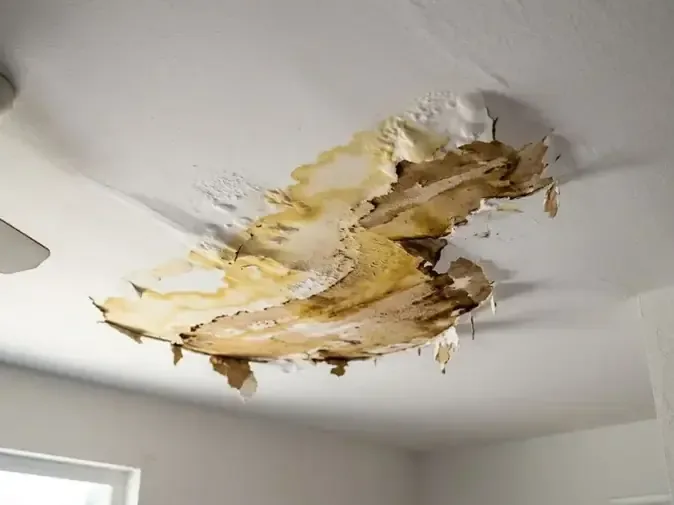 Ceiling Leak Water DamageStained, sagging drywall traced to its source, opened where needed and dried above and below.View
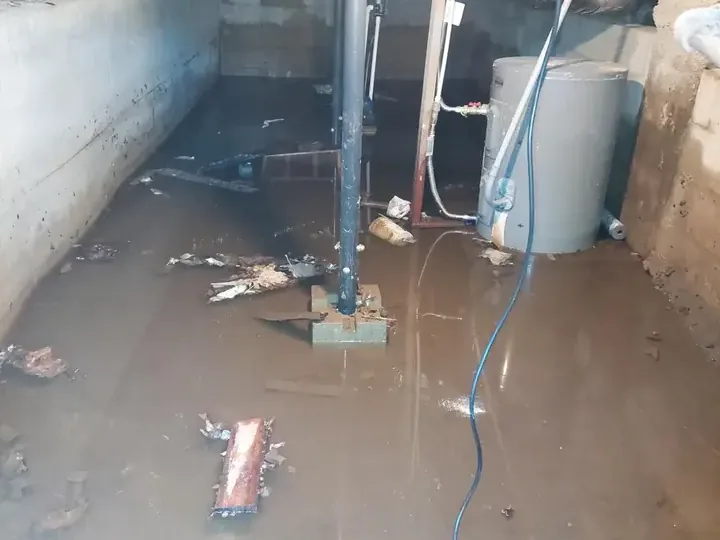 Water Heater Leak CleanupLeaking or failed tanks that soak closets, garages and hallways, with wet materials removed and dried.View
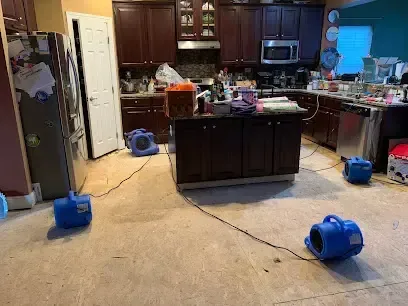 Appliance and Supply Line LeaksWasher, dishwasher and refrigerator hoses that fail slowly behind cabinets or suddenly across a kitchen floor.View
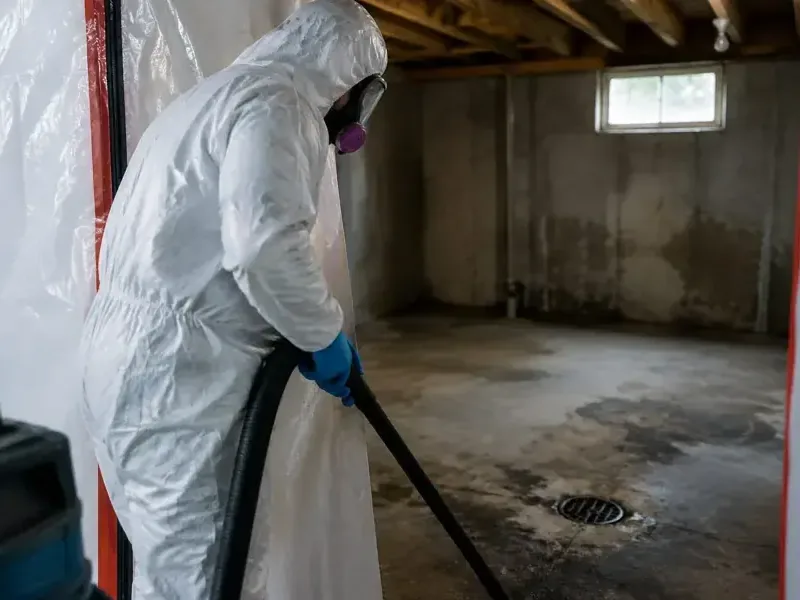 Sewage Backup CleanupContaminated water from a backed up drain, removed in protective gear with the affected area sanitized.View
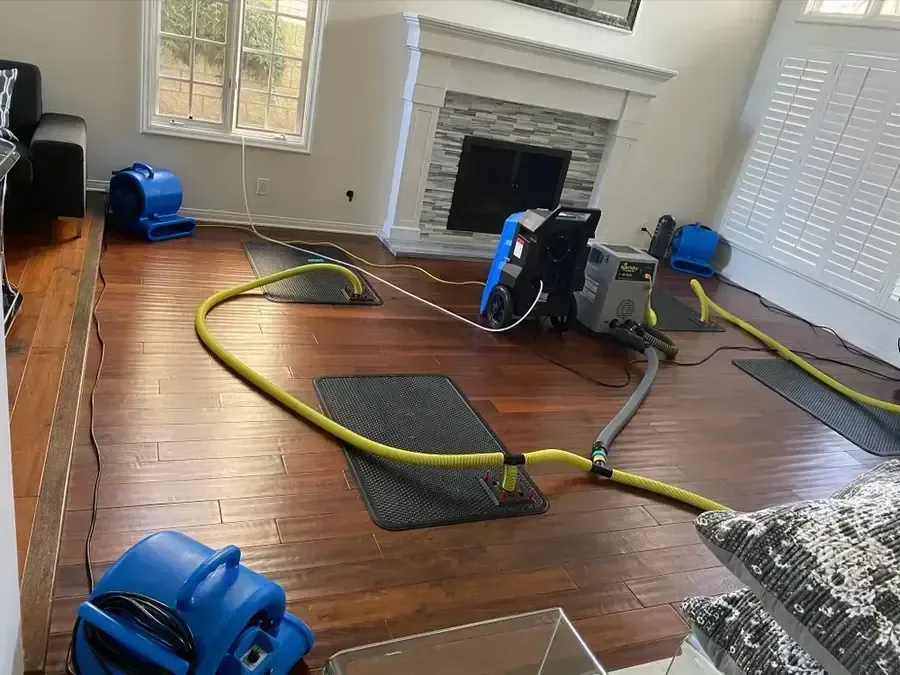 Structural Drying and DehumidificationMoisture mapping, air movers and dehumidifiers that dry framing and subfloors until readings return to normal.View
Water risks worth knowing in Hollywood
Water risks around Hollywood come from several directions: the town's sewer history, questions about flood coverage, storms that reach the whole Charleston area, and cold snaps that stress exposed pipes.
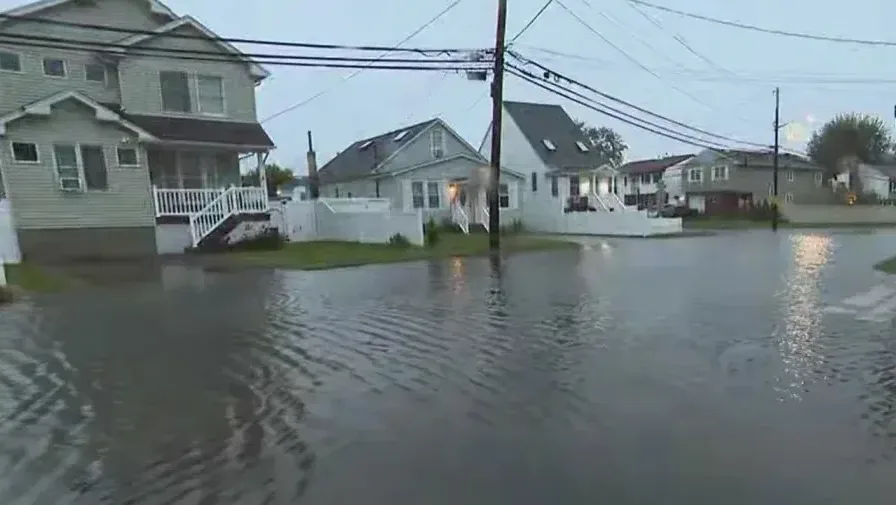
February 2021 FEMA suspended the Town of Hollywood from the National Flood Insurance Program, so residents could not buy new federal flood policies.
Sewer system history
The town runs its own sewer system, Charleston Water System processes the wastewater, and a broken pipe in early 2018 released an estimated 2.4 million gallons of raw sewage into marsh near the Stono River.
Insurance that skips floods
Standard homeowners policies usually leave out rising water, so a home without a separate flood policy can carry the whole cost of storm flooding.
Maps miss some water
FEMA flood maps do not capture every risk, and areas outside the Special Flood Hazard Area can still see local drainage problems and unmapped floodplains.
Storm season rain
Tropical Storm Idalia moved along the South Carolina coast in August 2023, and rain of 15 to 20 inches fell across the Charleston tri-county area in October 2015.
Cold snaps and pipes
Charleston Water System says exposed pipes and fixtures can freeze below freezing, and a January 2026 Lowcountry report warned that water left in pipes can burst them.
What to do right after water shows up
Stop the source
Close the main water valve for a pipe or hose failure, and keep clear of outlets and cords that sit in water.
Photograph the damage
Take photos and short videos of the water, the wet rooms and any ruined belongings before anything is moved.
Lift valuables away
Move small items, rugs and electronics to dry ground, and leave heavy furniture where it stands.
Call the restoration team
Describe the source, the rooms affected and how long the water has been standing so the right equipment is brought.
Hold off on repairs
Wait on fans, heaters and permanent repairs until moisture readings are taken and the structure has dried.
Three common causes of water in the home
Burst and frozen pipes
Charleston Water System warns that exposed pipes can freeze when temperatures dip below freezing, and a split pipe can flood several rooms before anyone notices.
See burst pipe damage workAppliance and hose failures
Washers, dishwashers and refrigerators usually fail at the supply hose, often slowly behind a cabinet, so damage can spread before a stain appears.
How appliance cleanup worksSewage and drain backups
Contaminated water needs protective gear, removal of porous materials and sanitizing, which keeps the work separate from clean water cleanup.
What sewage cleanup involvesWater damage service across Hollywood and nearby
ZIP code
Crews cover the whole town and its neighbors
The town sits in western Charleston County, with Ravenel along one border and Meggett along another, and the restoration team works throughout that stretch.
Homes near Highway 165 and across ZIP 29449 get the same moisture mapping, extraction and drying, whatever the source of the water.
(888) 532-8921Browse every area coveredRoads and landmarks
Nearby areas
What active drying work looks like
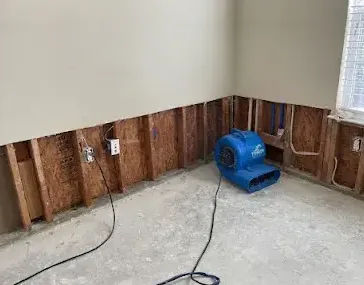
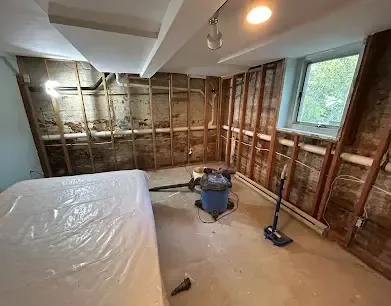
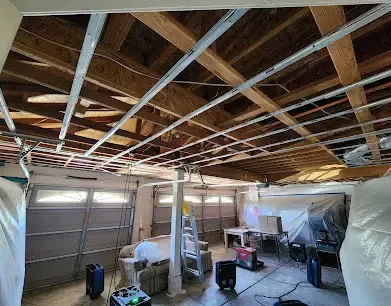
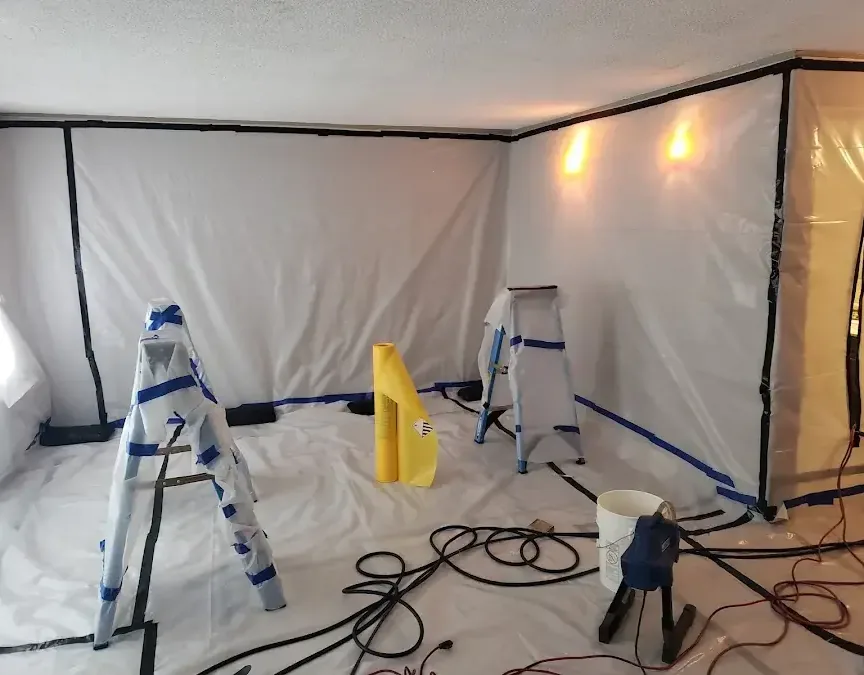
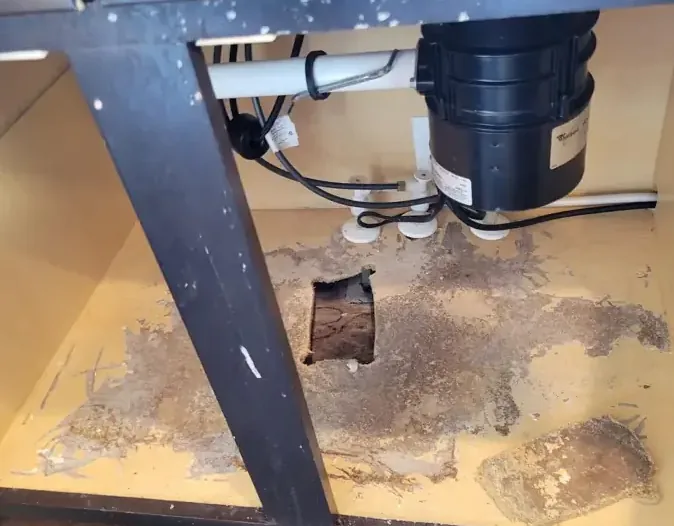
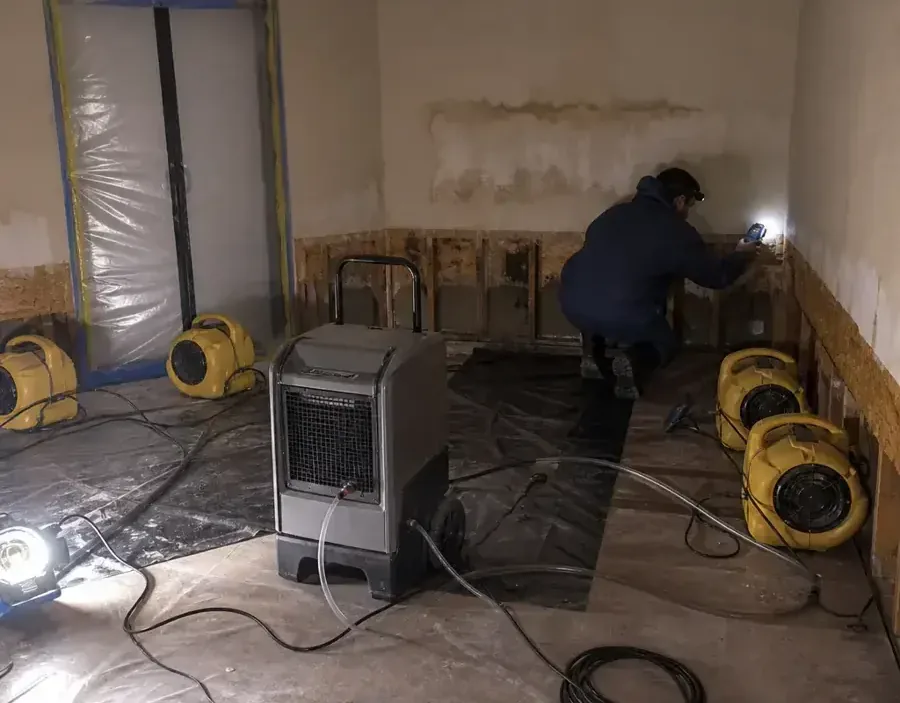
Water damage work that is measured, not guessed
Every job rests on moisture readings, photos and a written scope, so homeowners and adjusters can see what was found, what was removed and what dried.
Readings, not guesses
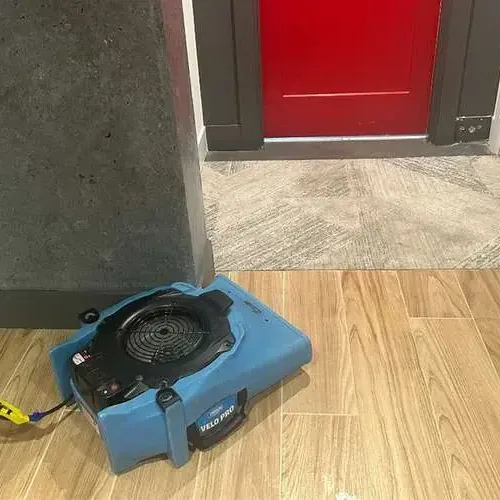
Meters and thermal imaging show where water traveled, so drying equipment goes where the moisture actually is.
A plain written scope
Each room gets a clear list of what is removed, what is dried and what is left in place, so nothing comes as a surprise later.
Equipment kept running
Dehumidifiers and air movers stay on the job until logged readings reach normal levels for every material.
Records for the claim
Photos, moisture logs and equipment records are kept so an adjuster can follow the whole job from first call to last reading.
One documented process from first call to final reading
After drying, the Town of Hollywood asks homeowners and contractors to use its Building Permit application for repairs and renovations, so the readings and photos collected along the way support the rebuild.
- Inspect and map Moisture meters and a thermal camera trace where the water traveled, including inside walls and under flooring, so no pocket of moisture is missed.
- Extract and remove Standing water is pulled out, and wet materials that cannot dry are cut away and bagged for disposal.
- Dry and monitor Air movers and dehumidifiers run while readings are logged, until each material reaches its dry goal, with the setup adjusted each day.
- Document and hand off Photos, readings and equipment logs go to the homeowner, ready for the claim and for the repair crew.
What water damage repair usually costs
Most jobs land between $500 and $15,000 or more, depending on how far the water spread, how long it sat and whether drywall, flooring or cabinets must come out. Moisture readings set the final scope.
Small and contained
- One room affected by a clean water leak
- Water extraction and basic cleanup
- A short run of drying equipment
Several rooms
- Wall and flooring sections opened up
- Extraction in each wet room
- Several days of drying equipment
Large or long standing
- A whole floor or more affected
- Extensive material removal and disposal
- Full moisture monitoring
Ranges reflect typical residential jobs. A written scope with room by room pricing follows the first moisture readings, and the photos and logs are kept for the insurance paperwork.
Get the paperwork right early
Homeowners coverage and flood coverage are separate policies, and the cause of the water decides which one applies, so a claim starts with knowing what each policy actually says.
- Photos of the water and every damaged room
- The source of the leak, once it is found
- A list of ruined belongings with approximate values
- Moisture readings and drying logs
- Receipts for emergency repairs and equipment
Flood coverage in Hollywood
In February 2021 FEMA suspended the Town of Hollywood from the National Flood Insurance Program, and some homeowners got notices from mortgage companies to seek private coverage, which can cost more.
Owners should confirm their own flood coverage with an agent, since flood insurance is mandatory for a federally backed mortgage on a home in a special flood hazard area.
Questions about water damage cleanup
Water inside the house right now?
Describe the water and the rooms affected, and the restoration team can start planning extraction and drying equipment for the home.
(888) 532-8921 Reach the crew nowHow quickly does water damage need attention?
Water moves into drywall, insulation and subfloors fast, and mold can begin within 24 to 48 hours. Extraction and drying should start as early as possible, ideally before the full scope is even settled.
What does water damage restoration cost?
Small contained leaks start near $500, while large or long standing damage can pass $15,000. A written scope prepared after moisture readings sets the actual price for each home.
Does homeowners insurance cover flood damage?
Standard homeowners policies usually exclude rising floodwater, which falls under a separate flood policy. A burst pipe or appliance leak is different, so the cause of the water decides which policy responds.
Is sewage in a house dangerous?
Yes. Sewage carries bacteria and viruses, so the crew wears protective gear, removes porous materials and sanitizes the area. Family members and pets should stay out of the affected rooms until that work is finished.
Does a repair after water damage need a permit?
The Town of Hollywood says homeowners and contractors must use its Building Permit application for all new construction, repairs, renovations and additions to structures, so permits come up once drying is finished.
Who runs the local sewer system?
The Town of Hollywood has its own sewer system, and Charleston Water System processes the wastewater. A backup inside a house still needs professional cleanup, whoever manages the pipes outside.
How long does structural drying take?
It depends on the materials and how wet they became. Most jobs run for several days with readings checked daily, and dense materials such as hardwood or plaster can take longer to reach their dry goal.
Can pipes burst in this climate?
Yes. Charleston Water System says exposed water pipes and fixtures can freeze when temperatures dip below freezing, and a January 2026 Lowcountry report warned that water left in pipes can cause them to burst.
What gets removed and what gets dried?
Soaked insulation, carpet padding and anything that held contaminated water usually goes. Hardwood, framing and solid drywall that can still dry are dried in place, which saves rebuilding cost.
Do flood maps show every flood risk?
No. FEMA flood maps do not capture every risk, and areas outside the Special Flood Hazard Area can still face local drainage problems and unmapped floodplains, so a map alone does not rule water out.
Wet floors and soaked walls get worse the longer they wait
The restoration team pulls out the water, opens what must be opened and dries the structure before repairs begin.
(888) 532-8921Call the drying crew now