Water Damage Restoration Mount Pleasant, SC
Heavy rain, a rising tide and river water all find a way into homes on this side of Charleston Harbor. The drying team pulls the water out, opens what stays wet and dries the structure to a reading.
(888) 532-8921Call for pumps, fans and dryersHurricane Hugo in 1989 and 24 inches of rain in October 2015 show how fast water can overwhelm a home.
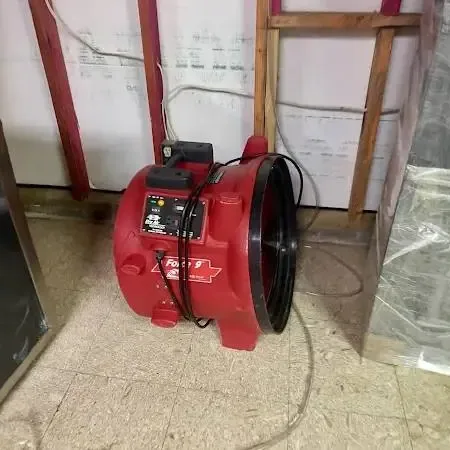
Water Damage Services for Local Homes
From floodwater in the crawl space to a split pipe behind a wall, each job goes to the crew that matches the water source.
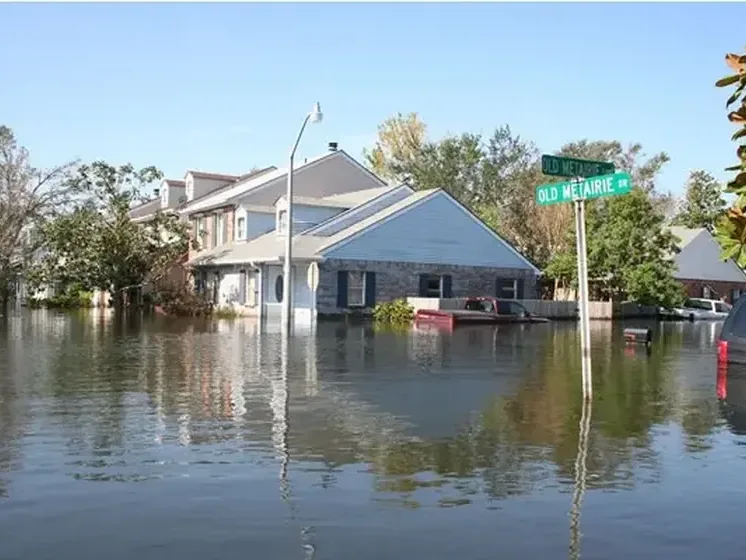
Storm and Flash Flood Cleanup
Pump-out and cleanup after river, harbor or rain flooding, with contaminated floodwater treated as unsafe from the start.
Explore storm and flash flood cleanup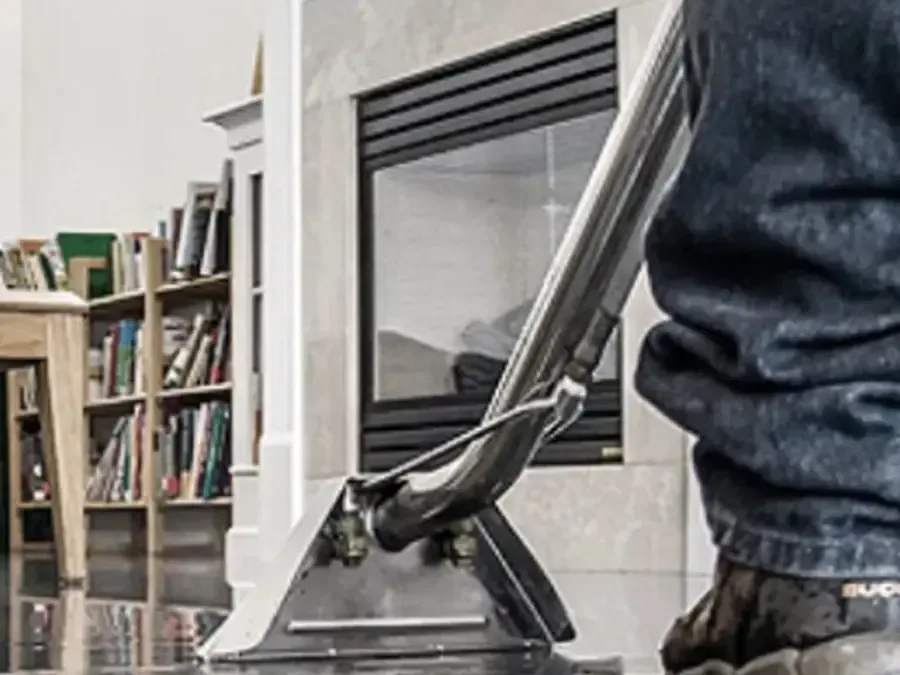
Water Extraction and Removal
Wands and truck-mounted units lift standing water off floors and carpet before it soaks deeper into the structure.
Explore water extraction and removal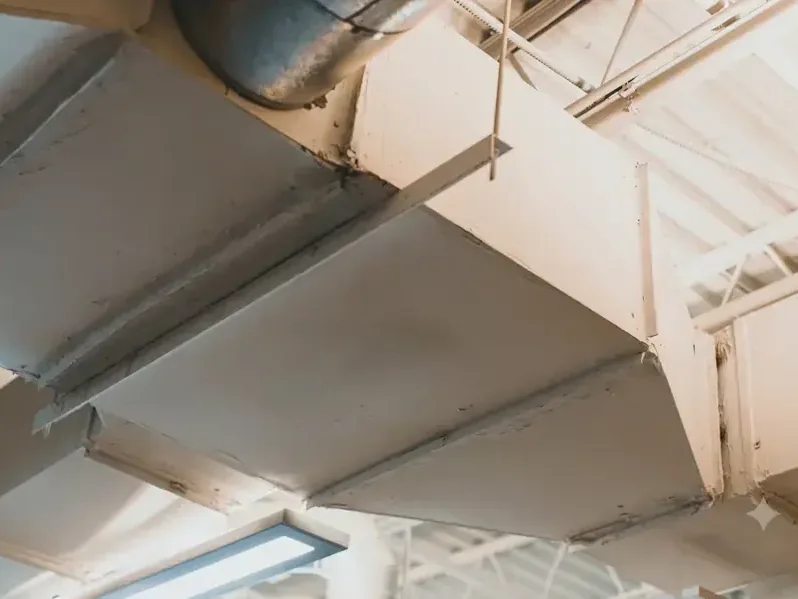
AC Condensate and Drain Line Leaks
A clogged condensate drain can drip into a ceiling for weeks, so the ceiling, insulation and walls below it get dried.
Explore ac condensate and drain line leaks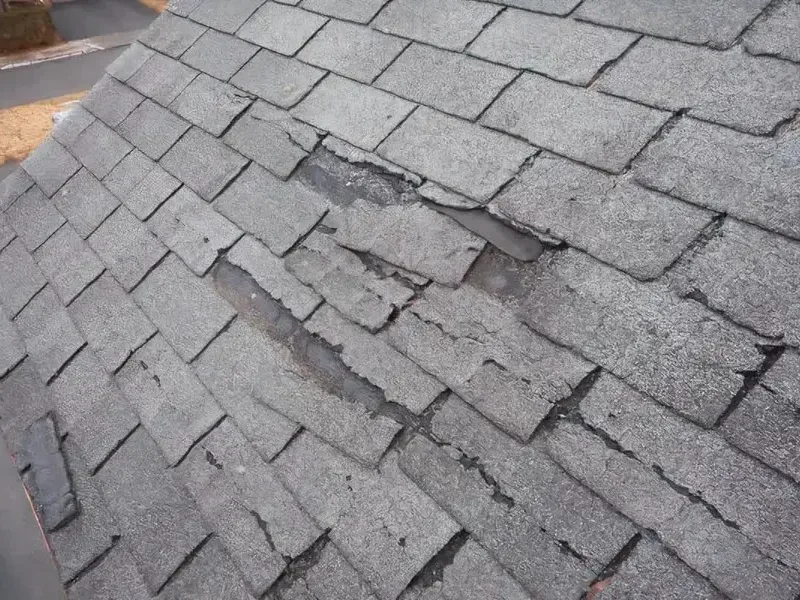
Roof Leak Water Damage
Wind and heavy rain that slip past the shingles are traced, then the wet attic insulation and ceilings are dried.
Explore roof leak water damage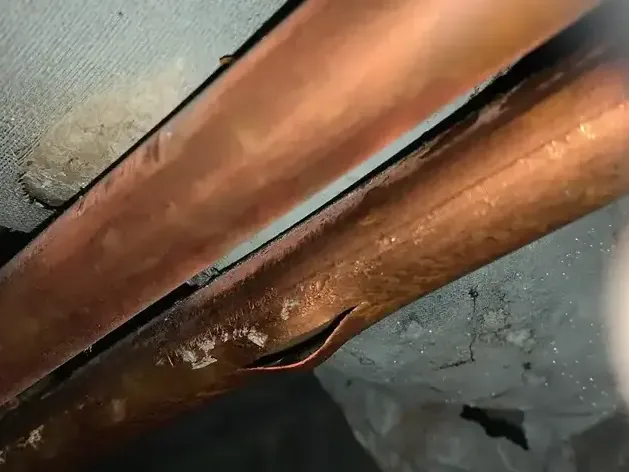
Burst Pipe Water Damage
A split supply pipe floods fast. The team stops the spread, extracts the water and dries the wall cavities.
Explore burst pipe water damage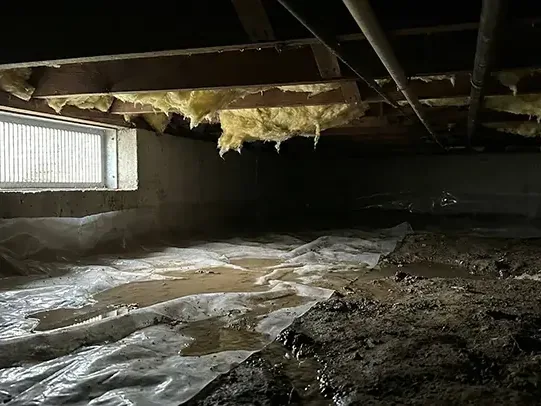
Crawl Space Water Removal
Standing water beneath the house is pumped out, then joists, subfloor and wet insulation are dried or removed.
Explore crawl space water removalSix more water problems the crews dry out
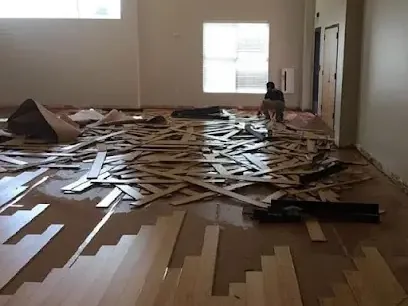 Slab Leak Water DamageHidden pressure leaks under the floor are tracked down, then lifted flooring and the slab itself are dried.View
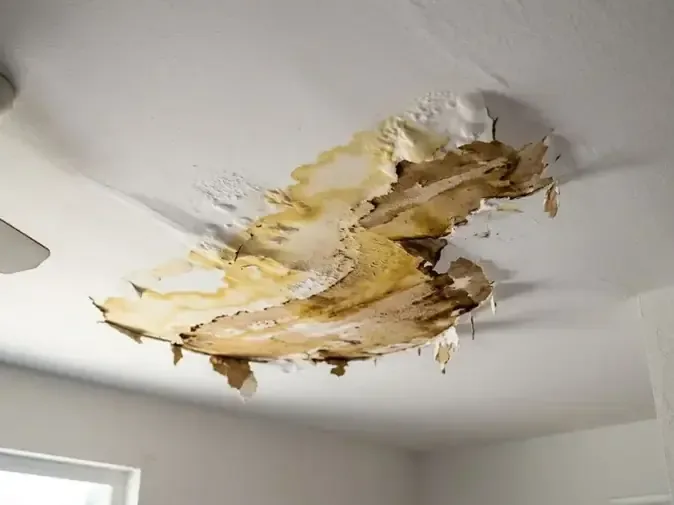 Ceiling Leak Water DamageStains and sagging drywall from a roof, pipe or appliance above are opened up, traced and dried.View
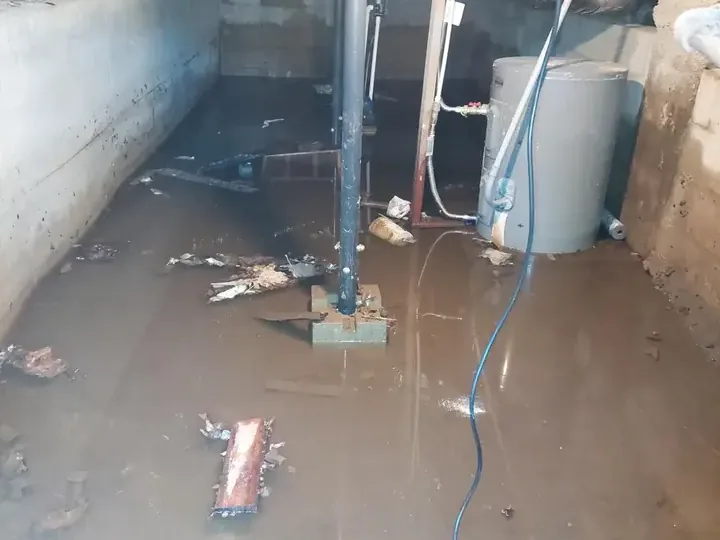 Water Heater Leak CleanupA failed tank can empty into a closet or garage, and extraction and drying follow once the supply is shut off.View
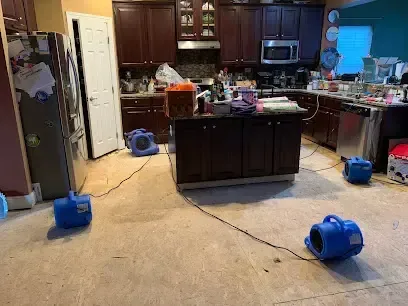 Appliance and Supply Line LeaksWashing machine, dishwasher and refrigerator leaks soak cabinets and subfloors, and the team dries both.View
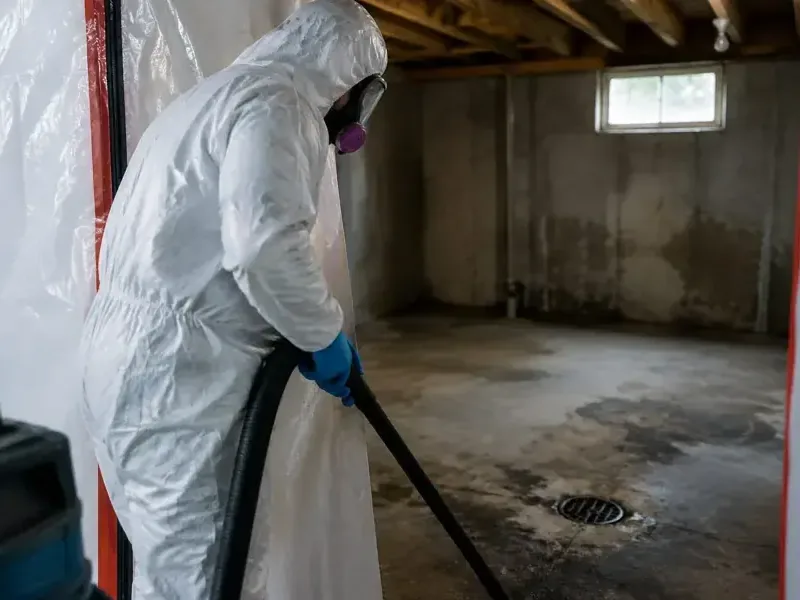 Sewage Backup CleanupSewage backups are treated as contaminated water, removed in protective gear and cleaned out thoroughly.View
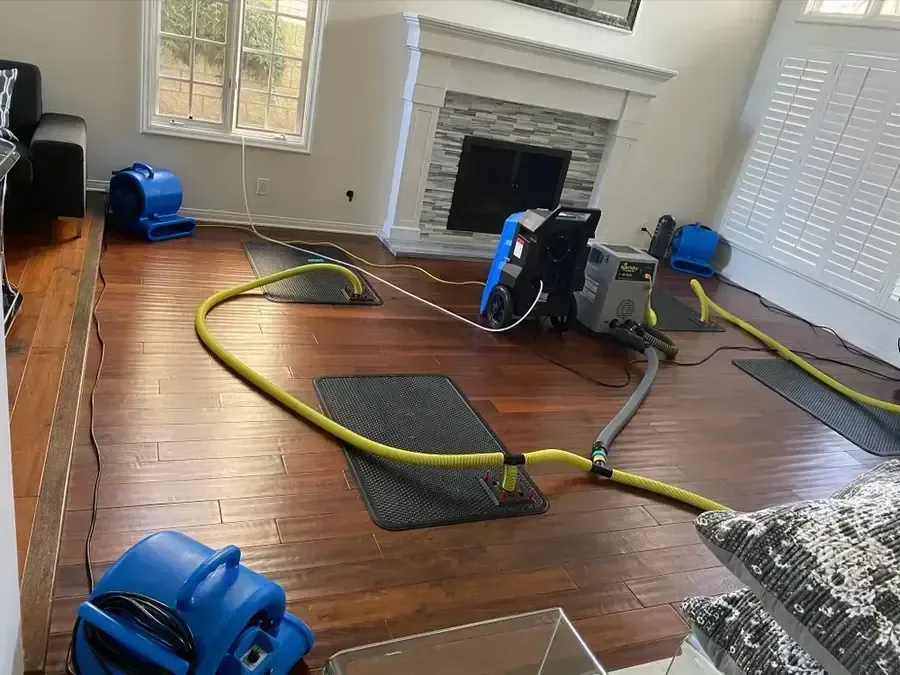 Structural Drying and DehumidificationDehumidifiers and air movers dry framing, drywall and floors until moisture readings return to a normal level.View
What tests local homes: hurricanes, rain and tides
The town sits on the east side of Charleston Harbor and the tidal Wando River, and the Cooper River separates it from the city of Charleston, so tides, creeks and heavy rain all matter.
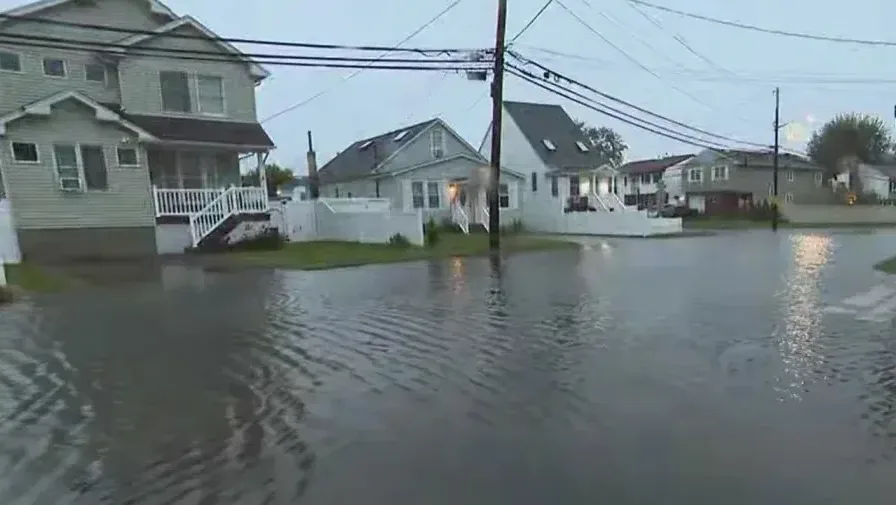
December 17, 2023 A nor'easter brought a Mount Pleasant rain total of 16.32 inches since midnight, with 5.97 inches falling in just two hours.
Hurricane wind and rain
Hurricane Hugo, a Category 4 storm, hit on September 21, 1989 and left the town and nearby barrier islands with severe damage, a reminder that wind-driven rain finds weak roofs.
Record rainfall
CNN reported 24 inches of rain at Mount Pleasant in early October 2015, during floods South Carolina's governor called a 1,000-year event. Water that deep reaches walls and subfloors.
Tidal waterways
Shem Creek, the Wando River, the Cooper River and Copahee Sound all touch the town, and water makes up 15.53% of its total area, so high tides can follow storms inland.
Overwhelmed storm drains
Charleston flood reporting on May 20, 2020 described storm drains overflowing into yards, stores and crawl spaces, a pattern any heavy downpour can repeat.
Sewer and septic backups
Mount Pleasant Waterworks runs sewer service and is replacing East Cooper septic systems with sewer service, so a backup can trace to a septic tank or a sewer pipe.
Five moves that limit the damage before drying starts
Stop the source
Close the main valve or the appliance supply, and switch off power to wet areas if water is near outlets or cords.
Keep everyone clear
Floodwater and sewage can carry bacteria, so children and pets stay out of the wet rooms until the team says otherwise.
Lift what is dry
Move rugs, papers, shoes and electronics to higher ground, and leave heavy furniture right where it stands.
Photograph the damage
Record each wet room, ruined item and visible waterline before anything is moved or thrown away.
Call for extraction
Standing water soaks into drywall, framing and flooring quickly, so pulling it out early limits what must be torn out.
Know which water you are dealing with
Supply pipe bursts
Clean water from a split pipe is the easiest kind to dry when it is caught early, but it spreads behind walls and under floors faster than most people expect.
How burst pipes are driedAppliance leaks
Washers, dishwashers and refrigerators leak slowly into cabinets and subfloors, so the damage is often hidden for weeks before a stain or a smell gives it away.
See appliance leak dryingSewage backups
Contaminated water calls for protective gear, removal of affected materials and a full cleanout, never just a mop and a fan.
See sewage cleanupNeighborhoods, roads and ZIP codes covered
ZIP codes
Wondering whether your street is covered? Ask.
The service area includes the Old Village, Snee Farm, Rivertowne, Dunes West and Carolina Park, plus homes near U.S. Route 17 and the Arthur Ravenel Bridge.
Scanlonville, Riverside, I'On, Park West and Hobcaw Point are covered too, and a quick call confirms any street the list leaves out.
(888) 532-8921Ask about your streetNeighborhoods and roads
Nearby towns
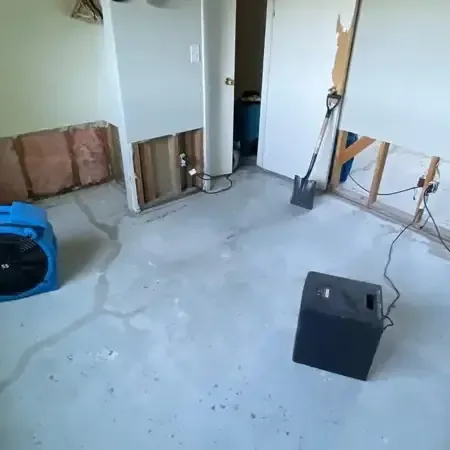
What demolition and drying equipment look like
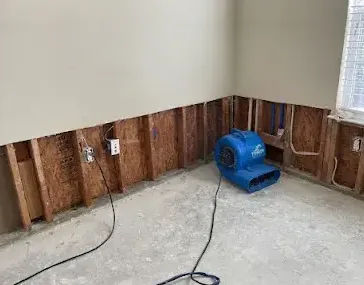
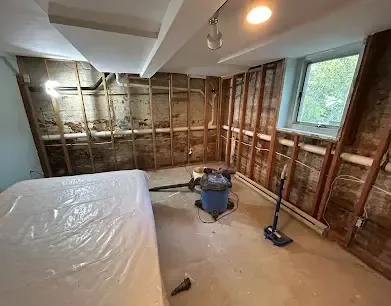
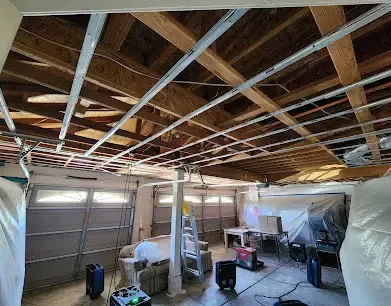
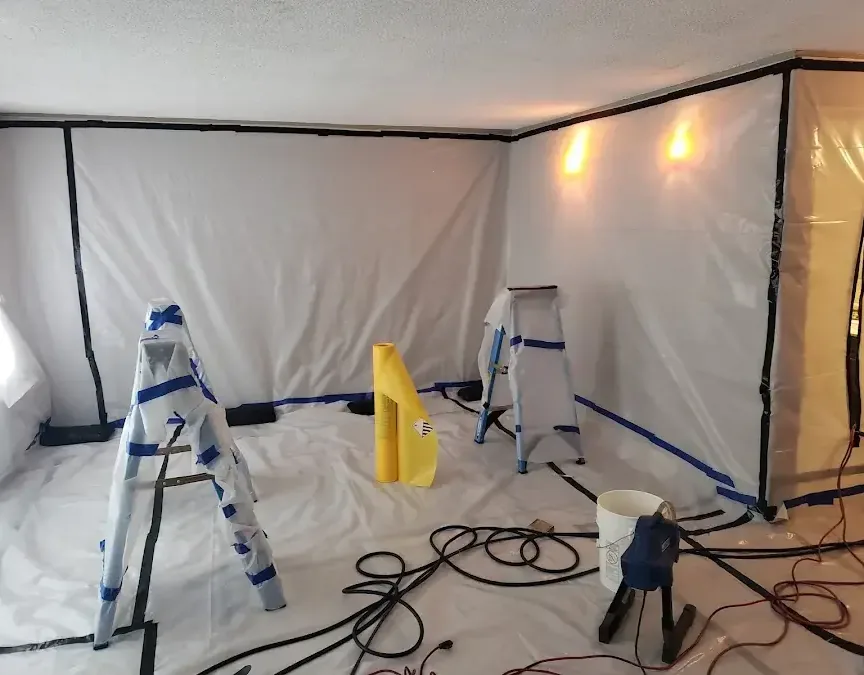
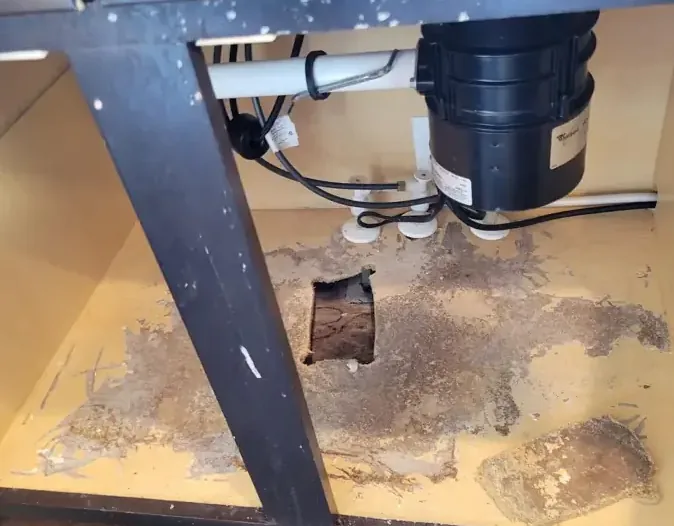
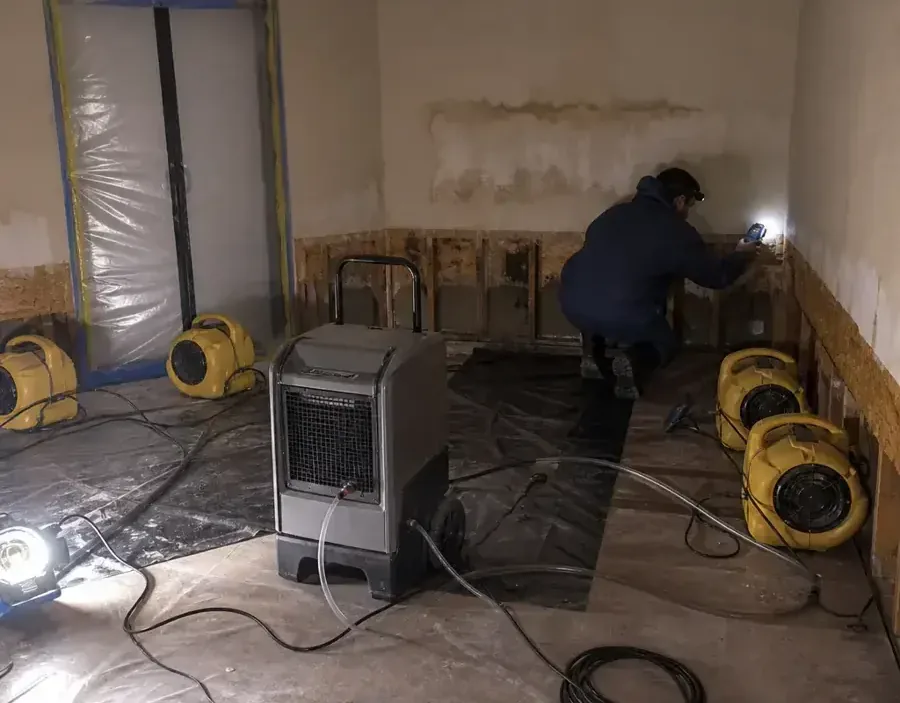
Every job ends with a dry reading, not a guess
The mitigation team extracts first, then maps moisture so every wall, floor and ceiling is dried to a number it can show on paper.
Extraction first
Standing water is pumped or vacuumed out before any fans start, because moving air alone cannot dry a flooded floor.
Moisture mapping
Meters and thermal imaging reveal which walls, floors and ceilings are wet well beyond what the eye can see on the surface.
Containment when needed
Plastic barriers keep dust and wet debris from drifting into dry rooms while damaged material comes out.
Daily readings
The team logs moisture on every visit and keeps equipment running until framing and drywall reach a dry standard.
Water comes out, readings fall, the job closes
A job is not done when a floor feels dry. The crew keeps meters on the framing, drywall and subfloor until each reading sits at the dry reference for that material.
- Assess The team checks the water source, depth and category, then photographs each affected room and notes which materials will have to come out.
- Extract Pumps, wands and truck-mounted units clear standing water, working from the lowest point outward until the floors stop shining.
- Dry Air movers and dehumidifiers go in, damaged materials come out, and the placement of equipment is adjusted every day as the readings change.
- Verify Final readings are compared with a dry reference for each material, and equipment stays in place until every number matches it.
How much does water damage cleanup cost?
Most water damage jobs here land between $500 and $15,000, depending on how far the water spread, how long it sat and whether it was clean or contaminated. Final pricing comes once the team has measured the moisture.
One room, caught early
- Extraction in one area
- Fans and a dehumidifier
- Nearby walls checked
Several rooms or a ceiling
- Extraction across rooms
- Wet drywall and flooring removed
- Several days of drying
Whole floor or flood
- Full floor extraction
- Flood cuts and debris removal
- Extended drying with logs
These ranges are typical, not a quote. Standard policies often cover sudden leaks, and the team documents the work from the first photo to the last reading so the claim file is complete.
Documenting damage for your carrier
Water losses often involve a claim, and the paperwork goes better when the damage is recorded before anything is thrown out. The team documents each step as the work happens.
- Photos of every wet room before cleanup begins
- The date and time the water was discovered
- Receipts for emergency repairs and equipment
- A list of damaged belongings with rough values
- Moisture logs from the drying team
Filing the claim yourself
Call the carrier early and ask how the policy treats sudden pipe leaks compared with rising floodwater, since the two are often covered differently.
Keep receipts for emergency work, save damaged items until an adjuster has seen them, and share the drying logs whenever they are requested.
Common water damage questions
Water in the house right now?
Describe the water, the rooms involved and where it started. The team explains what to shut off and which equipment goes in first.
(888) 532-8921 Call about the waterHow fast does water damage spread through a home?
Water wicks into drywall, insulation and subfloor within hours, and mold can begin to grow in a day or two. That is why extraction should start as soon as the source is stopped.
Should the water be shut off before calling?
Yes, when it is safe. Close the main valve or the appliance supply and switch off power to wet areas, then call so the team can plan equipment while you wait.
Does the team handle storm and river flooding?
Yes. Floodwater from the Wando River, the Cooper River or the harbor is treated as contaminated, so porous materials usually come out and surfaces are cleaned before drying starts. See storm and flash flood cleanup.
What does a dry-out involve from day to day?
After extraction, air movers and dehumidifiers run for several days. The team returns to read moisture meters, move equipment and confirm that framing and drywall are drying on schedule, as described under structural drying.
Can wet drywall and carpet be saved?
Often, when the water was clean and drying began early. Contaminated water, long exposure or padding that stayed saturated usually means removal, and the moisture readings make the call.
Who pays for water damage cleanup?
That depends on the policy and the cause. Sudden pipe and appliance leaks are commonly covered, while rising floodwater often needs separate flood coverage, so check the wording with the carrier.
Is sewage handled differently from clean water?
Yes. Sewage is contaminated, so the crew wears protective gear, removes affected materials, cleans and treats surfaces, and keeps containment up so nothing spreads into dry rooms. Details sit under sewage backup cleanup.
Do appliance and water heater leaks get the same treatment?
The drying steps are similar, but the cause differs. A washer hose, a dishwasher seal or a tank failure each gets its own shutoff, then extraction and drying of cabinets and floors.
Does the service area cover my neighborhood?
The crews cover the Old Village, Snee Farm, Rivertowne, Dunes West, Carolina Park, I'On, Park West, Scanlonville, Riverside and Hobcaw Point, and a call confirms any street.
How soon should drying begin after a heavy storm?
Right away. On December 17, 2023 a report logged 5.97 inches of rain in two hours, and floors that sit under that much water start absorbing it at once.
Water in the house? Start the drying before it spreads.
Crews work day and night, so a call at three in the morning gets the same attention as one at noon.
(888) 532-8921Phone the restoration crew