James Island saw about 10 inches of rain in the 48 hours before Christmas Eve 2019. Residents of the Lynwood Subdivision on Kingswood Drive reported up to 2 feet of water in back yards and on the street that morning.
Key takeaways
- About 10 inches of rain fell in the 48 hours before Christmas Eve 2019.
- Lynwood residents reported up to 2 feet of water in back yards and on the street.
- The mayor said that when it rains hard at high tide, the water collects, and the Town wants ditches kept clean.
- A Lynwood resident asked for drains to be cleared and pipes checked for obstructions or collapsed pipes.
- If water does reach a house, extraction comes first, followed by monitored drying.
What was reported in December 2019
About 10 inches of rain fell on James Island in the 48 hours before Christmas Eve 2019. Lynwood Subdivision residents on Kingswood Drive reported up to 2 feet of water in back yards and on the street.
A Lynwood resident asked for drains to be cleared and pipes checked for obstructions or collapsed pipes.
Those reports described yards and the street, not the inside of houses. They still show how fast standing water can build when rain is heavy.
The Lynwood resident's request is a useful checklist in itself. Clear drains, obstructions and collapsed pipes are the three things worth asking about before the next heavy rain.
Why high tide changes the picture
The mayor said that on James Island, when it rains hard at high tide, the water collects. The Town wants ditches kept clean so water drains away quickly.
The Town of James Island describes the island as set among Charleston Harbor and the Stono and Folly Rivers, with marsh views, and lists its elevation at 10 feet. Low ground beside tidal water leaves little room for rain to go.
- Ditches clogged with leaves or grass clippings hold water.
- Storm drains near the street can fill with debris.
- Water at the street edge can reach a garage or a low entry.
- Rain that arrives at high tide drains slowly.
Yard water is not house water, but it can become house water
Water standing in a back yard is an early warning. A few more inches, or a gust that pushes it against a door, can bring it inside.
Signs that water is heading for the house
Watch the low points around the foundation and the doors. Water that rises toward a threshold or fills a window well is close to entering.
- Water pooling against a garage door or sliding door.
- Window wells filling with water.
- A ditch that stops draining and stays full.
- Water in a yard that is not dropping as the rain eases.
What to do before it arrives
A few quick moves protect belongings and make cleanup simpler later. None of them should take anyone into moving water.
- Lift electronics and papers off ground-floor surfaces.
- Move vehicles and outdoor items to higher spots.
- Know where the water and power shutoffs are.
- Photograph the yard and the house before the water rises.
If water does reach the house
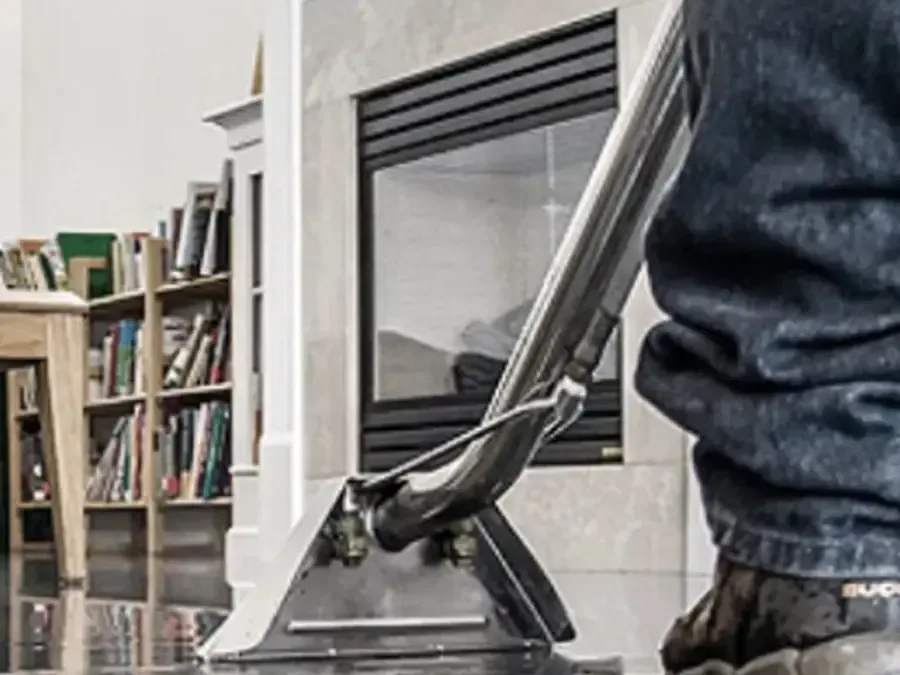
Water extraction is the opening job. Portable pumps and wet vacuums pull standing water out of every room before it wicks into drywall and framing.
When the water came from yards, ditches or streets, storm and flood cleanup treats it as contaminated. Carpet, cushion and wet insulation are usually removed.
Pumps and wet vacuums reach low rooms and garages. In a ground-floor room, even a thin layer of water is enough to wet baseboards and the bottom of the drywall.
- Stay out of rooms where water reaches outlets or the panel.
- Lift small items onto dry surfaces.
- Photograph the waterline and wet items.
- Contact a restoration crew early, because wet materials keep absorbing.
Why storm water is treated as contaminated
Rain that collects in yards and streets gathers soil, fertilizer, oil and animal waste. Where a drain or pipe backs up, sewage can mix in as well.
That is why the work changes once water enters the house. Materials that cannot be cleaned are removed, and hard surfaces are washed and disinfected.
Contaminated water changes the order of work. The crew extracts first, then removes what cannot be cleaned, then washes and dries what remains.
- Carpet and cushion are removed.
- Wet drywall is cut out above the waterline.
- Insulation in wet wall cavities comes out.
- Hard surfaces are washed and disinfected.
Drying until the numbers agree
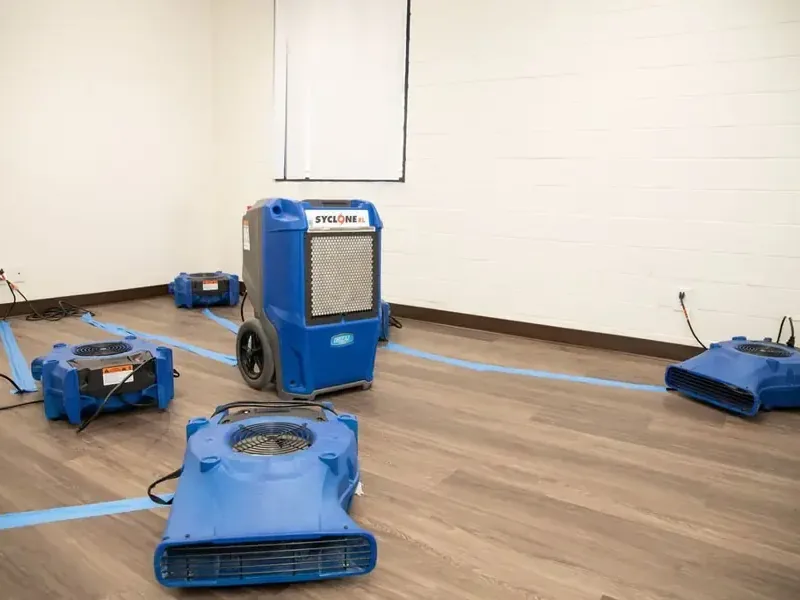
After the wet materials are out, structural drying uses fans and dehumidifiers to bring the framing and subfloor back to normal. The crew takes moisture readings at each visit.
Wood and engineered floors need particular attention because boards cup as they absorb water. Drying mats and careful moisture tracking can save some floors, though a long soak usually means replacement.
The mayor's point about water that collects at high tide applies indoors too. Water that lingers leaves framing and flooring wet, so thorough drying matters.
Closing walls before the readings agree can trap moisture and invite mold.
Ditch and drain upkeep
The Town wants ditches kept clean so water drains away quickly, and that is a job households share. A clear ditch in front of a house can mean the difference between a wet yard and a wet floor.
Charleston County Public Works held a meeting at Town Hall on the proposed 2026 Stormwater Manual, which shows that drainage rules are under discussion at the county level as well.
- Clear leaves and clippings from the ditch and from storm drains.
- Point downspouts away from the foundation.
- Report a blocked drain to the Town or the county.
- Check low spots after every heavy rain.
- Watch county and Town notices about drainage rules.
Questions
Did water get inside Lynwood homes in December 2019?
The reports described water in back yards and on the street. This post does not say whether any house took on water.
Why does rain at high tide cause more trouble on the island?
The mayor said the water collects when it rains hard at high tide. Low ground beside tidal water gives rain little room to drain away. That is why a few inches of tide can turn a manageable rain into standing water in a yard.
What does the Town ask residents to do about ditches?
The Town wants ditches kept clean so water drains away quickly. Clearing leaves and debris from the ditch in front of a house helps.
Is yard water safe to wade through?
No. It can carry soil, fuel, animal waste and sewage, and it can hide holes and debris. Electrical hazards are also possible near outlets and cords. Wading also risks cuts, bites and slips that are easy to avoid by waiting for the water to drop.
How soon should extraction start once water is inside?
As soon as it is safe. Water that sits keeps moving into drywall and framing, so the sooner it is pulled out, the less material has to be removed.
Can wet drywall be saved after storm water?
Usually not. Drywall that wicked contaminated water is cut out, while framing and the subfloor are cleaned and dried. The subfloor and framing underneath are dried in place after the damaged boards are pulled.