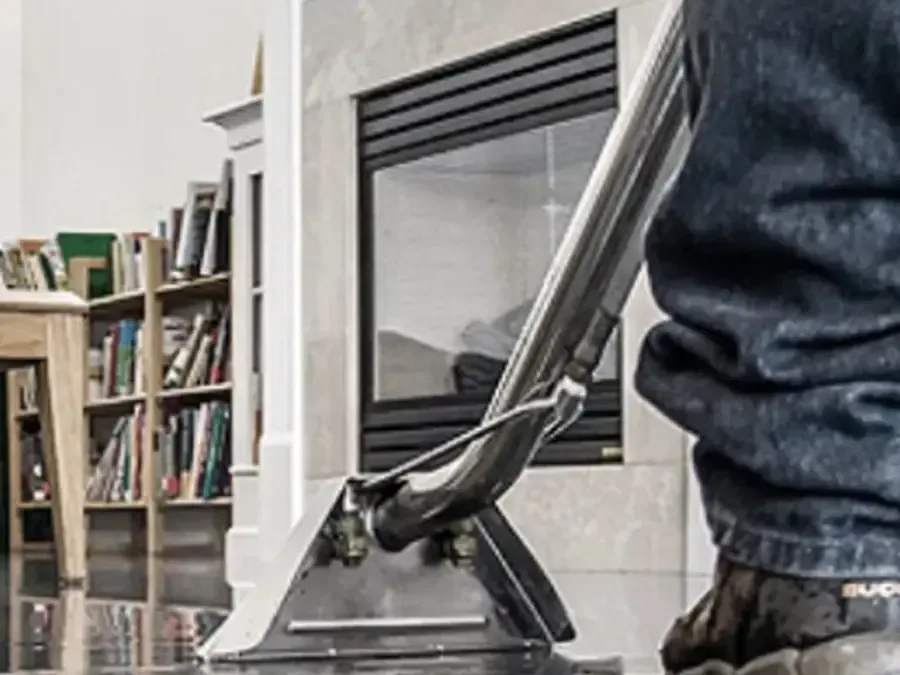
National Weather Service Charleston storm reports for December 17, 2023 list a Mount Pleasant rain total of 16.32 inches since midnight. When rain arrives that fast, some of it crosses thresholds, comes under garage doors and spreads across floors.
Key takeaways
- A Mount Pleasant report showed 5.97 inches of rain in two hours on December 17, 2023, which is why standing water has to be pulled out quickly.
- National Weather Service Charleston storm reports list 16.32 inches since midnight for that day.
- Water that enters from outside is treated as contaminated, so wet carpet and cushion are removed.
- Baseboards, lower drywall and flooring often show damage after the surface water is gone.
- Extraction comes first, followed by monitored drying until the readings match a dry reference.
What fell on December 17, 2023
National Weather Service Charleston storm reports list a Mount Pleasant rain total of 16.32 inches since midnight. One report showed 5.97 inches in the two hours that afternoon.
The Charleston Harbor tide gauge also reached its 4th-highest level during the nor'easter. When heavy rain meets a high tide, water drains slowly and collects.
A rain total that large does not flood every house. Most of it runs off or drains, but even a small share entering a home can wet several rooms.
How rain gets into a house
Rain rarely arrives through one big opening. It finds the low points and the weak seals.
Doors and garages
Water pushes under garage doors and across thresholds when it stands against the house. A sliding door track can fill and overflow inside.
- Garage door seals that have flattened or cracked.
- Sliding door tracks packed with debris.
- Low entries where the ground slopes toward the house.
Floors and walls
Once water is inside, it spreads across the flooring and wicks up into baseboards and the bottom of the drywall. The damage often looks larger the next day than it did when the water first arrived.
- Baseboards swell and separate from the wall.
- Drywall darkens along the bottom edge.
- Laminate planks lift at the seams.
Low spots around the house
Water also collects in window wells, door wells and low corners of the yard. When the ground cannot absorb rain fast enough, those spots overflow toward the foundation.
- Door wells that fill with leaves.
- Gutter downspouts that empty beside the wall.
- Yard areas that slope toward the house.
First steps with water on the floor
Safety comes first. If water reaches outlets or the electrical panel, stay out of the room and leave the power alone until it is made safe.
Then protect what can be saved and record what cannot.
Resist the urge to run heaters or fans before the water is out. Warm air over wet surfaces moves moisture around instead of removing it.
- Lift small furniture and loose items onto dry surfaces.
- Photograph the waterline and each wet item.
- Stop more water from entering only if it can be done safely.
- Contact a restoration crew early, because water keeps moving into materials.
Extraction comes first
Water extraction is the opening job. The crew uses portable and truck-mounted equipment to pull standing water off the floor before it wicks further.
When the water came from outside, storm and flood cleanup treats it as contaminated. That decides which materials can stay and which are removed.
Speed matters because wet drywall wicks water upward and wet subfloor holds it. Each delay means more material to remove later.
- Standing water is pulled out of every room.
- Wet carpet and cushion are lifted and removed.
- Furniture legs are blocked off the floor.
- Contents are sorted into keep, clean and discard.
Flooring, baseboards and lower walls
What happens to each material depends on what it is made of and how long it stayed wet.
Materials that are usually removed
Carpet cushion, wet insulation and swollen baseboards are replaced because they hold water and contamination. Drywall that wicked water above the floor is cut out to a clean edge.
Materials that can often be dried
Tile, sealed concrete and solid framing can usually be cleaned and dried in place. The subfloor under tile or laminate still needs a reading before it is covered again.
Belongings and records after the water
Two jobs run alongside the cleanup: deciding what can be kept and recording what was lost.
Furniture, rugs and belongings
Furniture legs wick water upward, and upholstered pieces may hold contaminated water. Hard furniture usually survives with cleaning, while soaked upholstery often does not.
Electronics and paper goods that touched water should be set aside for inspection or disposal.
- Move solid wood furniture onto blocks.
- Take rugs outside to drain and dry.
- Photograph items before discarding them.
- Keep books and papers away from damp floors.
Records that support an insurance claim
Policies differ on what counts as flood and what counts as other water damage, so the cause of the water matters. The insurance agent can explain which applies.
Photographs, receipts and the drying record support whichever claim applies.
- Photograph the rooms before cleanup starts.
- Keep a list of discarded items with approximate value.
- Save invoices for extraction and drying.
- Ask the agent about deadlines for filing.
Drying until the readings agree
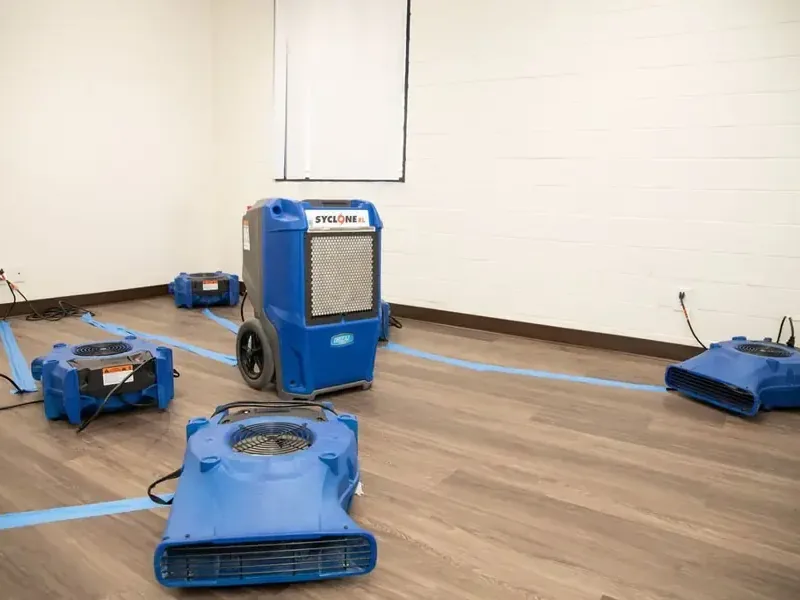
After the wet materials are out, monitored structural drying uses fans and dehumidifiers to bring framing and subfloor back to normal. The crew records moisture readings at each visit.
The job is done when the readings match a dry reference, not when the surface feels dry. Closing walls early can trap moisture and invite mold.
A final check of the walls, floors and baseboards confirms that nothing still reads wet before repairs begin.
Dehumidifiers matter because storm air is humid, and humid air slows the drying of wood and drywall. Equipment works best in a closed, controlled space.
- Readings are taken in the walls, the subfloor and the air.
- Equipment is moved as the wet areas shrink.
- Drying stops only when the numbers agree.
Questions
Why does damage look worse the day after the water drains?
Baseboards, drywall and flooring keep absorbing water after the surface looks dry. Swelling and staining often show up a day later, which is why moisture readings matter more than appearance.
Is rain that comes in under a door treated as clean water?
No. Water that enters from outside crosses yards and pavement before it reaches the house, so it is treated as contaminated and porous materials are removed.
Can wet laminate flooring be saved?
Sometimes, if the seams have not swollen and the subfloor reads dry. Laminate that has cupped or lifted usually needs replacement.
How soon should extraction start after a storm?
As soon as it is safe. Water that sits keeps moving into drywall and framing, so the sooner it is pulled out, the less material has to be removed.
What should be moved first from a wet room?
Electronics, papers and small valuables go onto high, dry surfaces first. Heavy furniture is blocked up off the floor so water does not wick into the legs.
Can the house be lived in during drying?
Rooms that stayed dry are often usable, though drying equipment runs continuously and is loud. Cords and hoses cross floors, so care is needed around children and pets.