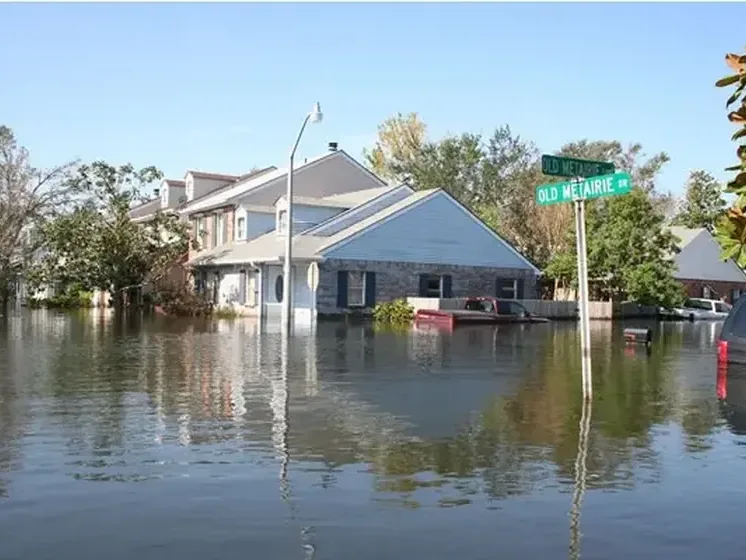
In February 2021, FEMA suspended the Town of Hollywood from the National Flood Insurance Program for failing to meet minimum federal requirements. That decision changed what residents could buy, renew and receive after a flood, and it made records and quick drying more important.
Key takeaways
- The suspension meant residents could not buy new federal flood policies, and existing policies would not be renewed.
- No federal disaster assistance could go toward repairing insurable buildings in flood hazard areas for flood damage.
- Some homeowners received notices from mortgage companies to seek private coverage, which can cost more.
- The town council moved to adopt the state's model floodplain ordinance to resume participation.
- Whatever the coverage, dated photographs, receipts and a drying record make any claim easier to support.
What happened in February 2021
FEMA suspended the Town of Hollywood from the National Flood Insurance Program because the town failed to meet minimum federal requirements.
The suspension meant residents could not buy new federal flood policies, and existing policies would not be renewed.
It also meant no federal disaster assistance could go toward repairing insurable buildings in flood hazard areas for flood damage.
For a homeowner, the practical effect was uncertainty: a house could take on water while the usual federal safety net was not available. That is a reason to plan ahead, not a reason to panic.
What the town did next
The mayor said the town council was adopting the state's model floodplain ordinance to resume participation, with a special meeting on February 12 and a second reading set for February 22.
This post reports what happened in February 2021 and nothing about the town's program status today. Residents with questions about present coverage can ask the Town of Hollywood or an insurance agent.
Floodplain rules and flood coverage are separate from a restoration job. They decide how repairs are funded and permitted, not how the water is removed or how the house is dried.
Mortgage notices and private coverage
Flood insurance is mandatory for a federally backed mortgage on a home in a special flood hazard area. After the suspension, some homeowners got notices from their mortgage companies to seek private coverage, which can cost more.
A homeowner in that position gains from knowing, before any storm, what the private policy covers and how it defines flood.
Private policies vary widely. Some treat flood and sewer backup separately, and some limit coverage for finished lower levels or detached structures, so the details deserve a careful read before a loss.
- Ask what the policy treats as flood and what it treats as other water damage.
- Ask about waiting periods before a new policy takes effect.
- Ask which documents the insurer needs after a loss.
- Keep the policy where it can be found after a storm.
Flood maps do not capture every risk
FEMA flood maps do not capture every risk. Areas outside the Special Flood Hazard Area can still have local drainage problems and unmapped floodplains.
A house outside the mapped zone can still take on water from a clogged ditch, a failed drain or a heavy cloudburst. The storm flood readiness check helps a household sort out preparation steps before the rain.
- Water collects where a ditch is blocked.
- Low yards can hold rain even when the street drains.
- Storm drains can back up into a yard.
- A house outside the mapped zone can still need cleanup after a storm.
Cleanup does not wait for coverage decisions
Water that stays in a house keeps causing damage whether or not a claim has been approved. The first goal is to remove the water and start drying.
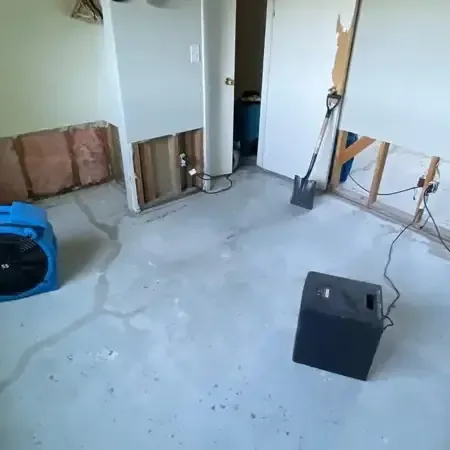
In storm and flood cleanup, standing water is extracted, porous materials that soaked up storm water are removed, and the framing is dried. Structural drying then runs until the readings match a dry reference.
Storm water crosses yards and streets before it reaches a house, so it is treated as contaminated. That is why carpet, cushion and wet insulation are usually removed instead of dried.
Time matters more when funding is uncertain. A house dried promptly usually needs fewer repairs, which keeps the final scope smaller whoever ends up paying.
- Extraction comes first.
- Contaminated porous materials are removed.
- Drying equipment runs until the framing reads dry.
- The crew keeps a written log of the readings.
Records that help with any coverage
Documentation matters most when coverage is uncertain, because it shows what the water did and how the house was handled.
Before cleanup starts
Photographs should show the waterline on walls, the condition of the floors and each damaged item. A short written note of when the water arrived and how deep it got adds context.
- Photograph every room from the doorway.
- Mark the waterline on a wall with tape.
- List damaged items with approximate value.
During cleanup
Invoices, moisture readings and a list of materials removed show the scope of the work. Keep them together with the policy and the mortgage papers.
A written scope of work, prepared before demolition, lists the rooms, the materials to be removed and the drying plan. It is often the first document a lender or adjuster asks to see.
- Save every invoice and receipt.
- Ask the crew for a copy of the drying log.
- Keep removed items until the adjuster has seen them, if storage allows.
Questions to settle before the next storm
A calm afternoon is a better time than a flooded night to sort out coverage and plans.
Households that rent should ask the landlord what the building carries and what a tenant policy would cover, since the two are separate.
- Does the policy cover flood, sewer backup and sudden pipe leaks separately?
- Who is the contact at the insurance company, and what number is on the policy?
- Where are the photos of the house in normal condition?
- Is there a plan for moving valuables off low floors?
- Does the lease say who handles water damage in the unit?
Questions
Does a flood insurance suspension stop a house from drying?
No. Drying depends on the work, not on the coverage. Water in a house keeps causing damage until it is removed, so cleanup starts as soon as it is safe. Insurance decides who pays for the work, while the crew's job is to stop the damage from spreading.
What did the February 2021 suspension change for homeowners?
Residents could not buy new federal flood policies, existing policies would not be renewed and federal disaster assistance for flood repairs to insurable buildings in flood hazard areas stopped.
Is the suspension still in effect?
This post reports only what happened in February 2021. The Town of Hollywood or an insurance agent can confirm the current program status.
Why would a mortgage company send a notice about flood coverage?
A federally backed mortgage on a home in a special flood hazard area requires flood insurance. After the suspension, some homeowners got notices telling them to find private coverage.
Is storm water treated differently from a burst pipe?
Yes. Storm water crosses yards and streets and is treated as contaminated, so porous materials are removed. Clean water from a burst pipe is handled differently, and more materials can often stay.
Which records matter most after a flood?
Dated photographs, receipts, the list of discarded items and the contractor's moisture readings. Together they show what the water did and how it was handled. Photos taken before cleanup are the hardest to replace, because the scene changes as soon as work begins.